Cortisol plays a key role in many bodily functions, including the stress response and immune regulation.
What is Cortisol?
Cortisol is an essential hormone released by the adrenal glands. It helps the body respond to stress and regulates several biological systems such as energy, inflammation, blood sugar, and the circadian rhythm. This hormone acts as a “balancer”, working around the clock to help us wake up in the morning and wind down at night.
Main Functions of Cortisol
- Manages stress – Known as the “stress hormone”, it increases heart rate, energy and alertness, helping us survive high-pressure situations.
- Regulates blood sugar – Raises glucose levels to provide immediate energy and prevents hypoglycaemia.
- Anti-inflammatory – Adequate cortisol helps reduce inflammation, but chronically high levels can disrupt immunity.
- Controls the circadian rhythm
- Highest between 06:00–08:00 to help you wake up
- Lowest at night to promote deep sleep
- Regulates metabolism, including:
- Fat burning
- Protein utilisation
- Energy storage
- Appetite

Effects of Excessively High Cortisol
Chronically high cortisol can lead to long-term stress and cause:
- Insomnia or poor sleep
- Abdominal obesity (visceral fat)
- Anxiety and irritability
- Low immunity
- Poor memory and reduced concentration
- Oily skin and acne
- Hair loss
- Fatty liver
- High blood pressure
Effects of Low Cortisol
Low cortisol often appears similar to adrenal fatigue-like symptoms:
- Easily fatigued, no morning energy
- Frequent low blood sugar
- Low blood pressure, dizziness when standing
- Low mood, reduced drive
- Dry skin
- Frequent hunger
- Feeling burnt out despite resting
How to Raise Low Cortisol
Especially useful for those with chronic fatigue, burnout, or frequent blood sugar dips:
- Protein + healthy fats first thing in the morning (eggs, avocado, nuts) to activate morning energy.
- Morning sunlight for 5–10 minutes to kick-start cortisol production.
- Light to moderate exercise – heavy exercise can further suppress cortisol. Suitable options include brisk walking, yoga and light weight training.
- Stay well hydrated – people with low cortisol often experience drops in blood pressure; water helps maintain blood volume.
- Increase electrolytes such as potassium and magnesium to reduce dizziness.
- Manage chronic stress, as low cortisol often results from long-term exhaustion.
How to Lower High Cortisol
- Slow breathing for 4–6 minutes to activate the parasympathetic system and reduce HPA-axis activity.
- Improve sleep quality, e.g.:
- Go to bed before 23:00
- Switch off screens ≥ 60 minutes before bed
- Reduce caffeine after 14:00
Foods that help lower cortisol
- 70% dark chocolate
- Oranges, kiwis, berries
- Fatty fish (omega-3 helps reduce inflammation)
- Green tea (L-theanine)
- Magnesium
- Protein at breakfast

Exercise
- Walk 5,000–8,000 steps per day – gentle walking is one of the best ways to reduce stress.
- Morning sunlight to regulate the circadian rhythm and balance morning–evening cortisol.
- A warm shower before bed to calm the sympathetic nervous system.
Supplements that help regulate cortisol
- Magnesium glycinate
- Ashwagandha
- L-theanine
- Omega-3
- Rhodiola (use in the morning if you need more alertness)
Supplements to Support Low Cortisol (Increase Morning Energy)
- B-complex
- Vitamin C
- Licorice (under medical supervision)
- CoQ10
- Adrenal Support herbs
What Is the Best Way to Test Cortisol Levels?
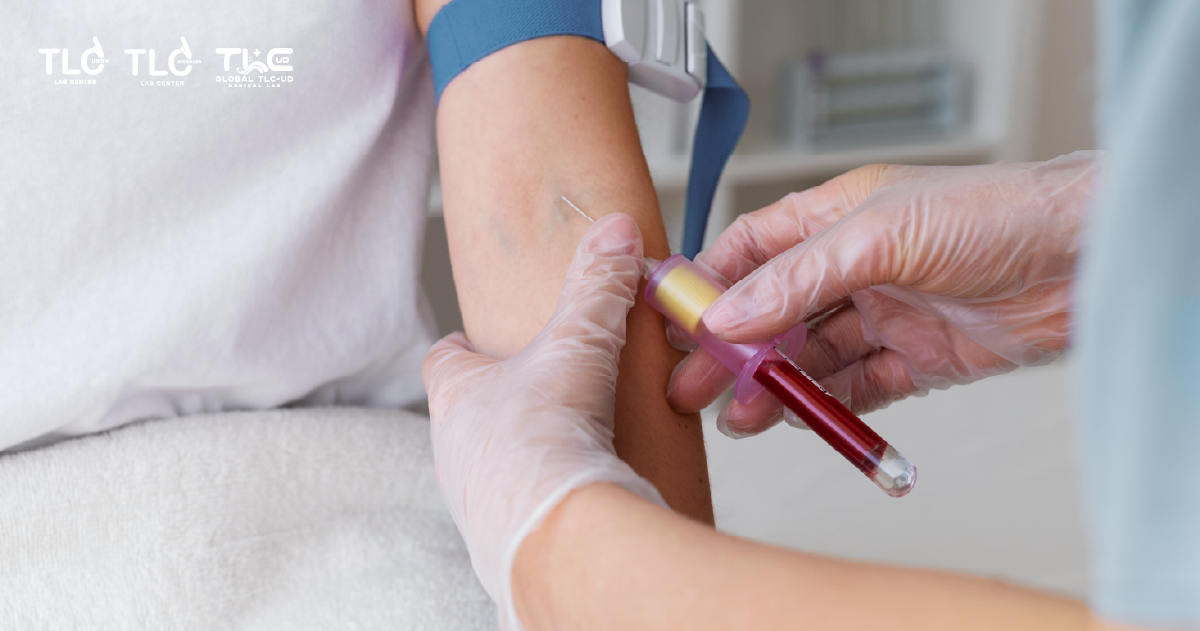
- Blood test (Serum Cortisol) Should be measured between 07:00–09:00 to assess adrenal function.
- Four-point saliva test
Useful for evaluating:- Circadian rhythm
- Chronic stress
- Poor sleep quality
- Burnout
- HPA-axis dysregulation
HPA-axis dysregulation occurs when the body’s response to stress becomes imbalanced. This disrupts cortisol and other systems, leading to low energy, poor sleep, weight gain, mood swings and reduced immunity. Restoring balance requires an integrative approach involving sleep, diet, exercise, mindfulness, behavioural changes, and detailed hormonal and inflammation assessments.
- DUTCH Test (Hormones + Metabolites)
References
Thau, L. (2023). Physiology, Cortisol. In NCBI Bookshelf. StatPearls.
Knezevic, E. (2023). The role of cortisol in chronic stress, neurodegenerative disease and immune-endocrine interactions. [Review Article].
Juliana, N., et al. (2025). Cortisol Detection Methods and the Hormone’s Role in Circadian Health and Stress-Related Conditions. International Journal of Molecular Sciences.
Sic, A. (2024). Neurobiological Implications of Chronic Stress and Metabolic Dysregulation: The Role of Cortisol. [Journal Article.
Jacobs Yin. (2023). Cortisol: The Stress Hormone’s Impact on Health and Well-Being. American Journal of Physiology Biochemistry and Pharmacology, 13(12), 01–02.