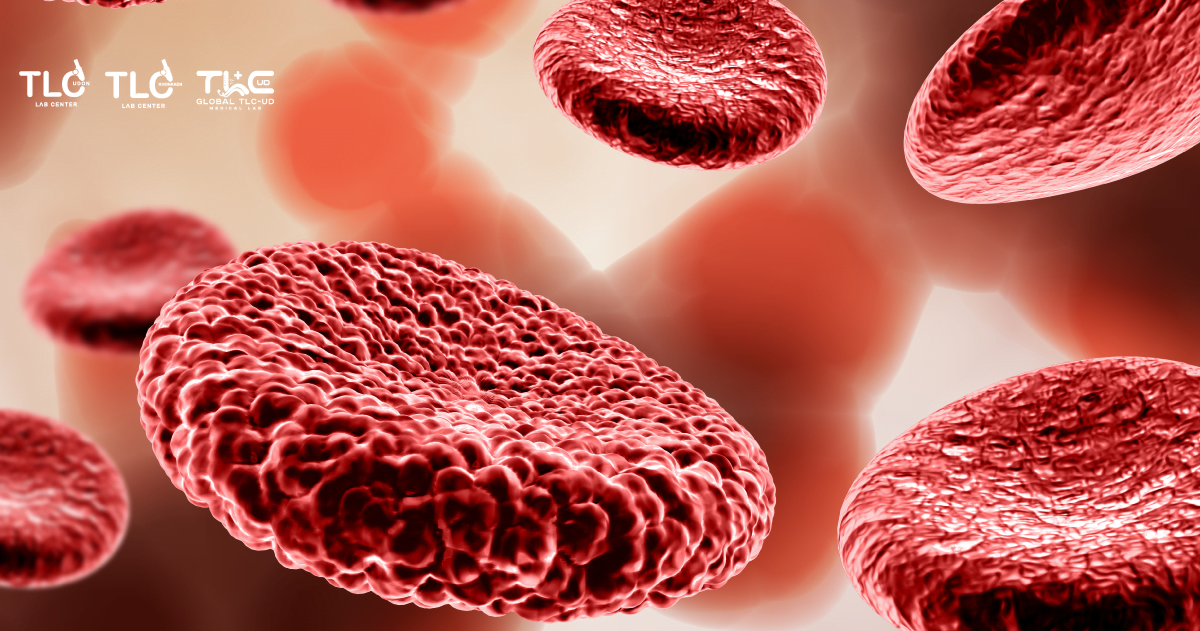

Cellular health refers to the condition and proper functioning of the body’s cells. It forms the foundation of overall health and longevity. When the cells in the body are strong, balanced, and functioning efficiently, the body’s systems operate harmoniously. This supports good health, slows the ageing process, and promotes a longer life with better quality.
Cellular health essentially means the health of every cell in the body.
When cells are healthy, it means that:
- Organs function properly
- Body systems remain balanced
- Overall health improves and supports longevity
What functions are associated with cellular health?
- Mitochondrial function: The ability of mitochondria to produce energy (ATP) so that cells can function efficiently. Mitochondria are often referred to as the “powerhouse of the cell” because they generate the energy required for cellular activities.
- Oxidative stress balance: Maintaining a balance between free radicals and antioxidants.
- Inflammation control: Reducing chronic inflammation in the body.
- DNA protection and repair: Protecting DNA and supporting its repair when damage occurs.
- Cellular detoxification: The removal of toxins from within cells.
- Cell regeneration and autophagy: The removal of old or damaged cells and the creation of new ones.

Factors that support good cellular health
- Good nutrition
- Regular physical exercise
- Quality sleep
- Effective stress management
- Hormonal balance
Important nutrients include:
- NAD+
- CoQ10
- Magnesium
- Polyphenols such as resveratrol
Summary
Cellular health is the foundation of overall health. When cells are strong and function properly, the body becomes stronger, the ageing process slows, and longevity is supported.
References
1.Campisi, J., & d’Adda di Fagagna, F. (2007).Cellular senescence: When bad things
happen to good cells. Nature Reviews Molecular Cell Biology, 8(9), 729–740.
2.López-Otín, C., Blasco, M. A., Partridge, L., Serrano, M., & Kroemer, G. (2013).
The hallmarks of aging. Cell, 153(6), 1194–1217.
3.Sies, H., Berndt, C., & Jones, D. P. (2017).Oxidative stress. Annual Review of
Biochemistry, 86, 715–748.
4.Spinelli, J. B., & Haigis, M. C. (2018).The multifaceted contributions of mitochondria to
cellular metabolism. Nature Cell Biology, 20(7), 745–754.
5.Sun, N., Youle, R. J., & Finkel, T. (2016).The mitochondrial basis of aging. Molecular
Cell, 61(5), 654–666.