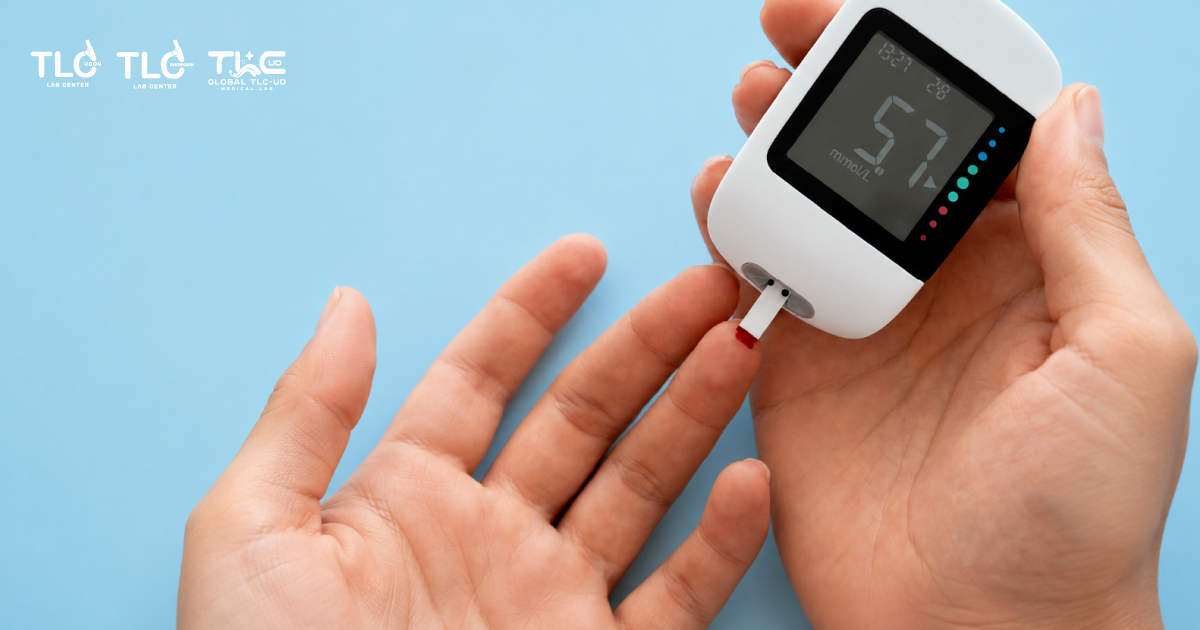
Many people believe that insulin resistance is only associated with diabetes. In reality, it is often the starting point for a wide range of chronic diseases and can develop many years before blood glucose levels become abnormal.
Insulin resistance is a condition in which the body’s cells become less responsive to the hormone insulin. As a result, the pancreas must produce increasing amounts of insulin to keep blood glucose levels under control. When this persists over time, it can affect multiple body systems, including the following:
The Effects of Insulin Resistance
- Metabolic Health
- Elevated blood glucose levels
- Increased risk of prediabetes
- Increased risk of Type 2 diabetes
- Abnormal blood lipid levels, including:
- High triglycerides
- Low HDL cholesterol (the “good” cholesterol)
- Increased small dense LDL, which is more likely to contribute to cardiovascular disease than larger LDL particles
- Abdominal Obesity
- Increased accumulation of visceral fat around the abdominal organs
- Creates a vicious cycle that further worsens insulin resistance
- Cardiovascular System
- High blood pressure
- Accelerated hardening of the arteries (atherosclerosis)
- Increased risk of coronary heart disease and stroke
- Liver
- Increased risk of non-alcoholic fatty liver disease (NAFLD)
- May progress to non-alcoholic steatohepatitis (NASH), liver fibrosis, and eventually cirrhosis
- Chronic Inflammation
- Increased levels of high-sensitivity C-reactive protein (hs-CRP) and other inflammatory markers
- Persistent low-grade chronic inflammation
- Accelerates the ageing process through inflammaging
- Brain
- May impair brain function
- Increased risk of cognitive decline and Alzheimer’s disease
- Hormonal and Reproductive Health
- Increased risk of polycystic ovary syndrome (PCOS)
- Irregular menstrual cycles
- Reduced fertility
- Cellular Health and Healthy Ageing
- Increased oxidative stress
- Impaired mitochondrial function
- Reduced cellular energy production
- Accelerated biological ageing and a reduction in healthspan

Can Insulin Resistance Be Reversed?
The good news is that insulin resistance is not a permanent condition. When identified early, it can often be improved—or even reversed—through evidence-based lifestyle changes, particularly those recommended in Lifestyle Medicine, including:
- Maintaining a healthy body weight
- Exercising regularly, combining both aerobic exercise and resistance training
- Eating a diet rich in protein and dietary fibre while reducing sugar and refined carbohydrates
- Getting sufficient, high-quality sleep
- Managing stress effectively
Early health screening and assessment of biomarkers associated with insulin resistance can help identify problems before they develop into chronic disease. This enables a personalised approach to improving metabolic health, reducing long-term health risks, and promoting healthy longevity.
Blood Tests for Assessing Insulin Resistance
The following laboratory tests are commonly used to evaluate insulin resistance:
- Fasting Blood Glucose (FBG)
- Fasting Insulin
- HOMA-IR (Homeostatic Model Assessment of Insulin Resistance)
- HbA1c
- Lipid Profile (particularly triglycerides and HDL cholesterol)
- Apolipoprotein B (ApoB) and Small Dense LDL (to assess cardiovascular risk)
- High-sensitivity C-reactive protein (hs-CRP) (to assess chronic inflammation)