Looking after your gut microbiome involves far more than simply taking probiotics. It requires restoring and rebalancing the entire gut microbial ecosystem so that it can function optimally.
Step 1: Reduce Factors That Disrupt the Gut Microbiome
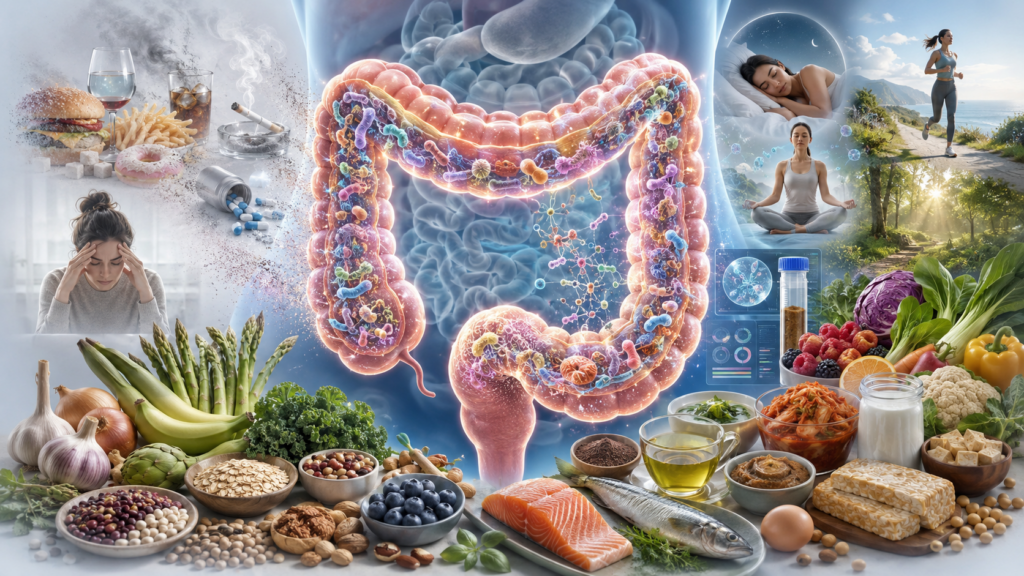
Begin by eliminating or reducing the factors that contribute to an imbalance in the gut microbiome, including:
- Reduce processed foods and foods high in sugar.
- Limit alcoholic drinks.
- Avoid unnecessary use of antibiotics and only take them as prescribed by your doctor.
- Stop smoking.
- Manage chronic stress effectively.
Note: These lifestyle changes are an essential part of restoring a healthy gut microbiome.
Step 2: Feed Beneficial Bacteria (Prebiotics)
Beneficial gut bacteria rely on dietary fibre as their primary energy source. Recommended foods include:
- Garlic
- Onions
- Spring onions
- Asparagus
- Slightly unripe bananas
- Oats
- Beans and pulses
- A wide variety of vegetables
Note: These fibres enable beneficial bacteria to produce short-chain fatty acids (SCFAs), such as butyrate, which play an important role in maintaining the intestinal lining and reducing inflammation.
Step 3: Replenish Beneficial Bacteria (Probiotics)
Eat foods containing live beneficial microorganisms, such as:
- Yoghurt
- Kefir
- Kimchi
- Sauerkraut
- Miso
- Tempeh
Note: If choosing a probiotic supplement, select strains that are supported by scientific research and are appropriate for your individual health needs.
Step 4: Eat a Diverse Diet
The greater the variety of plant-based foods you eat, the greater the diversity of your gut microbiome. Aim to consume around 30 different plant foods each week, including vegetables, fruits, herbs, legumes, seeds, nuts and whole grains.
Step 5: Support the Gut Barrier
Repairing and maintaining the gut barrier helps reduce intestinal permeability (leaky gut) and inflammation. Key nutrients include:
- High-quality protein
- L-Glutamine
- Zinc
- Vitamin D
- Omega-3 fatty acids
- Polyphenols from foods such as green tea, berries and cocoa
Step 6: Prioritise Sleep and Stress Management
The gut and the brain communicate through the Gut–Brain Axis.
- Aim for 7–9 hours of sleep each night.
- Exercise regularly.
- Practise meditation or breathing exercises.
- Spend time in nature.
- Reducing stress can help restore a healthy balance of gut bacteria more quickly.
Step 7: Assess Your Gut Health
If you experience persistent symptoms such as bloating, diarrhoea, constipation or suspect gut dysbiosis, further investigations may be appropriate, including:
- Gut Microbiome Analysis
- Comprehensive Stool Analysis
- SIBO Breath Test
- Organic Acids Test (OAT)
- Food Sensitivity Test (in selected cases)
Testing can help identify the underlying cause of your symptoms and guide a personalised treatment plan, rather than relying on probiotics without understanding your body’s specific needs.
Summary
Restoring a healthy gut microbiome should follow a logical sequence:
- Reduce factors that damage the gut microbiome.
- Increase dietary fibre (prebiotics).
- Replenish beneficial bacteria (probiotics).
- Eat a diverse range of foods.
- Support and repair the gut barrier.
- Prioritise quality sleep and effective stress management.
- Seek appropriate testing if symptoms persist or if you are at increased risk.
Once the gut microbiome returns to a healthy balance, digestion and nutrient absorption can improve, immune function may be strengthened, inflammation may be reduced, metabolic health can be supported, and overall long-term health and wellbeing may benefit.
References
- Ribeiro, M. C., et al. (2024). Effects of prebiotic therapy on gastrointestinal microbiome of individuals with different inflammatory conditions: A systematic review of randomized controlled trials. Probiotics and Antimicrobial Proteins, 16(2), 673–695.
- Su, G. L., Ko, C. W., Bercik, P., Falck-Ytter, Y., Sultan, S., Weizman, A. V., & Morgan, R. L. (2020). AGA clinical practice guidelines on the role of probiotics in the management of gastrointestinal disorders. Gastroenterology, 159(2), 697–705.
- World Gastroenterology Organisation. (n.d.). Probiotics and prebiotics: World Gastroenterology Organisation global guidelines. World Gastroenterology Organisation.