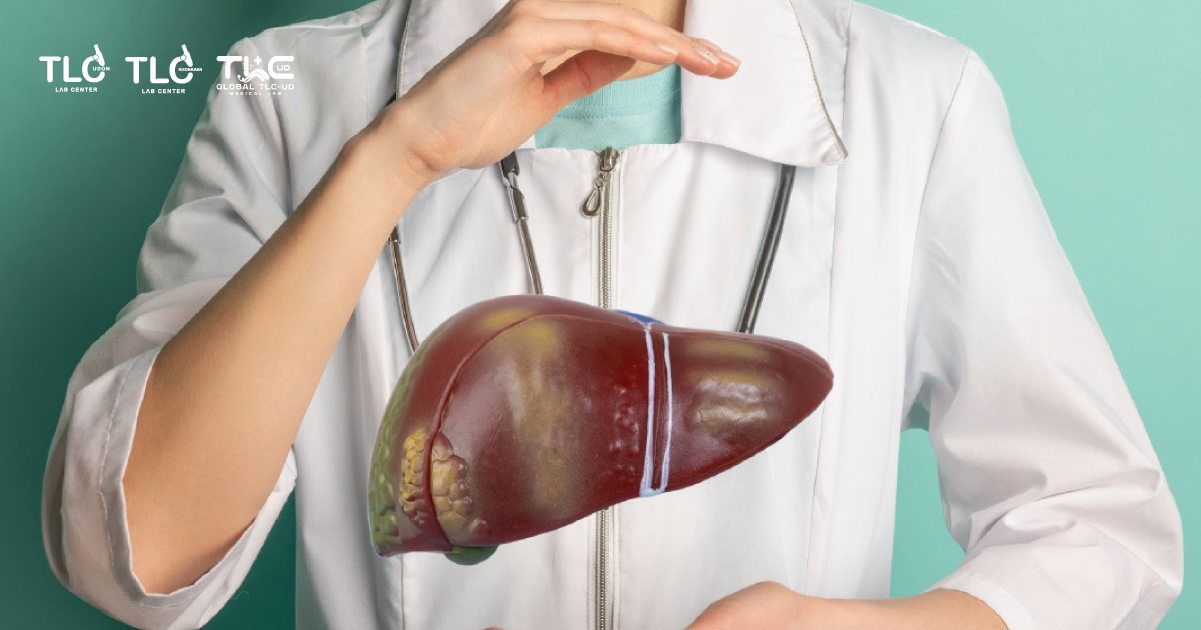
The liver is an organ closely connected to many systems of the body. It is often described as a “second heart” because it helps regulate chemical levels in the blood and produces bile, which aids in waste elimination and fat digestion. The liver also plays a vital role in the immune system by helping to defend against and eliminate invading pathogens.
Therefore, when the liver becomes abnormal, it can affect the entire body. Common liver disorders include fatty liver disease, liver fibrosis, cirrhosis, and liver cancer.
What Is Liver Fibrosis?
Liver fibrosis is a condition in which scar tissue forms in the liver as a result of chronic inflammation. This scarring reduces the liver’s ability to function properly and may progress to more severe conditions such as cirrhosis and liver failure.
Harmful Effects of Liver Fibrosis
- Impaired liver function
The liver is essential for nutrient metabolism, detoxification, and the production of key proteins. As fibrosis increases, liver efficiency declines. - Increased risk of cirrhosis
If fibrosis progresses without treatment, the liver may become hardened, impairing blood flow and leading to serious complications. - Portal hypertension
Scarring obstructs blood flow through the liver, increasing pressure in the portal vein. This can cause swollen veins in the digestive tract, which may rupture and bleed. - Reduced immune function
The liver helps remove certain pathogens. Extensive fibrosis weakens this protective role, increasing susceptibility to infections. - Risk of liver failure
When fibrosis severely damages liver tissue and function is lost, liver failure may occur, which can be life-threatening. - Increased risk of liver cancer
Chronic liver fibrosis raises the likelihood of abnormal cell changes that can develop into liver cancer.

Causes and Risk Factors for Liver Fibrosis
- Excessive alcohol consumption
- Chronic hepatitis, such as hepatitis B and C
- Non-alcoholic fatty liver disease (NAFLD)
- Autoimmune diseases that cause liver inflammation
- Long-term exposure to certain medications, toxins, or herbal products
Prevention and Management
- Avoid alcohol
- Maintain a healthy weight and prevent fatty liver disease
- Have regular liver health check-ups, especially if at risk
- Manage underlying conditions such as diabetes and high blood pressure
- Follow a healthy diet, reducing sugar, fat, and processed foods
Diagnosis of Liver Fibrosis
There are several methods to diagnose liver fibrosis, each with its own advantages and limitations:
- Laboratory tests (blood tests)
- Imaging studies
- Liver biopsy
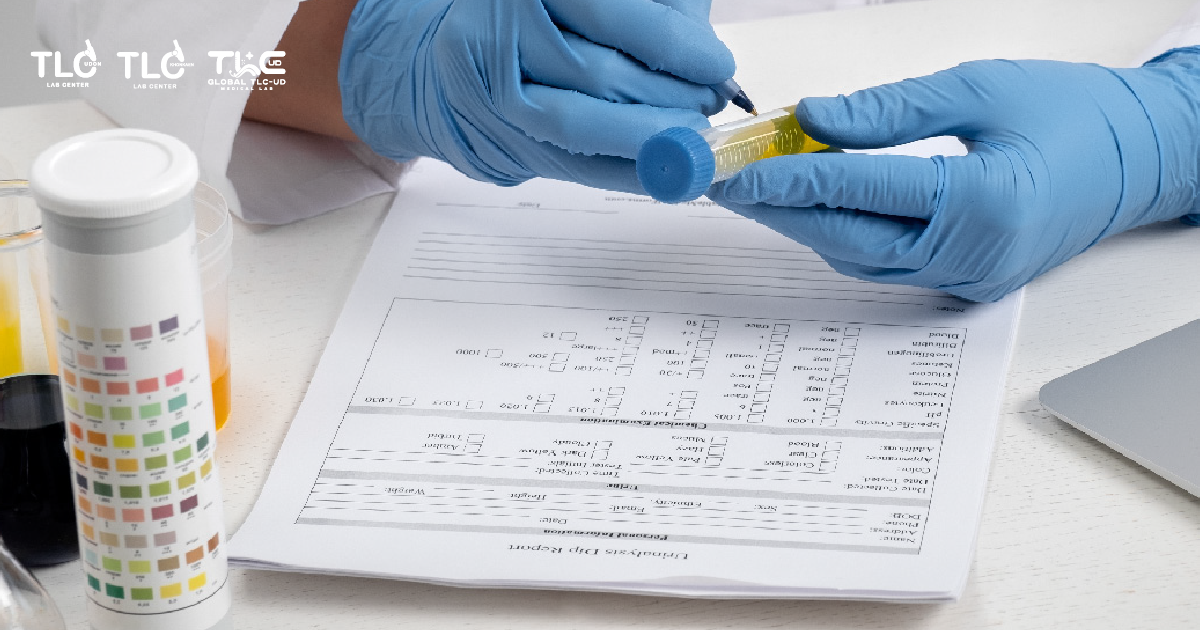
Blood Tests
Blood tests are used to assess biochemical markers related to liver function and fibrosis, such as:
- Liver Function Tests (LFTs):
Measurement of liver enzymes (AST, ALT, ALP), gamma-GT (reflecting liver cell function), bilirubin, and albumin to evaluate overall liver function. - Fibrosis score tests, which use calculated formulas based on biochemical values, including:
- FIB-4 score (AST, ALT, age, and platelet count)
- APRI score (AST and platelet count)
- FibroTest or FibroSure, which analyse multiple biochemical markers to estimate the degree of fibrosis
Advantages: non-invasive, painless, and easy to perform.

Summary
- Early to moderate stages of liver fibrosis can be slowed, and in some cases reversed.
- Early detection, followed by lifestyle modification and treatment of the underlying causes of chronic liver inflammation, can genuinely support liver recovery.
References
- Bataller, R., & Brenner, D. A. (2005). Liver fibrosis. Journal of Clinical Investigation, 115(2), 209–218.
- Friedman, S. L. (2008). Mechanisms of hepatic fibrogenesis. Gastroenterology, 134(6), 1655–1669.
- Rockey, D. C., Bell, P. D., & Hill, J. A. (2015). Fibrosis — A common pathway to organ injury and failure. New England Journal of Medicine, 372(12), 1138–1149.
- Ginès, P., Krag, A., Abraldes, J. G., Solà, E., Fabrellas, N., & Kamath, P. S. (2021). Liver cirrhosis. The Lancet, 398(10308), 1359–1376.
- Castera, L., Friedrich-Rust, M., & Loomba, R. (2019). Noninvasive assessment of liver disease in patients with nonalcoholic fatty liver disease. Gastroenterology, 156(5), 1264–1281.
- Byrne, C. D., & Targher, G. (2015). NAFLD: A multisystem disease. Journal of Hepatology, 62(1), S47–S64.
- Romero-Gómez, M., Zelber-Sagi, S., & Trenell, M. (2017). Treatment of NAFLD with diet, physical activity and exercise. Journal of Hepatology, 67(4), 829-846.