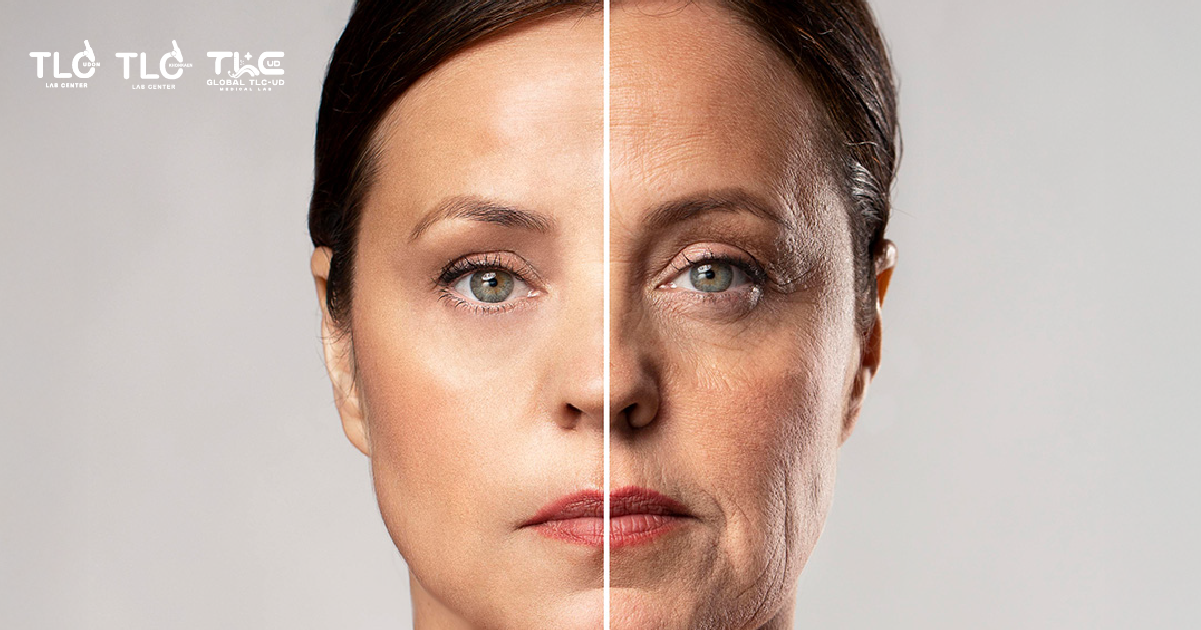

Inflammation is not limited to acute infections alone. It also includes chronic low-grade inflammation, which gradually accumulates in the body without obvious symptoms. This condition often increases with age and is one of the key mechanisms that accelerates physical decline. It is commonly referred to as chronic low-grade inflammation or “inflammaging.”
Although it may not present clear symptoms, this type of inflammation acts as a “silent foundation” for many chronic diseases, such as heart disease, diabetes, metabolic disorders, and degenerative conditions.
Therefore, modern healthcare is not only about treating disease, but also about reducing deep, underlying inflammation in order to slow ageing and promote long-term internal health.
What is inflammation?
Inflammation is a natural defence mechanism of the body. However, when it becomes chronic (chronic low-grade inflammation), it clearly accelerates cellular ageing.
Causes of elevated inflammation
- Infection (Acute inflammation)
Common cold, pneumonia
- Bacterial infections
- Metabolic inflammation
- High visceral fat (fat surrounding internal organs)
- Insulin resistance
- Chronically elevated blood sugar
- Non-alcoholic fatty liver disease (NAFLD)
- Chronic stress
- Hormonal imbalance (cortisol dysregulation)
- Insufficient sleep
- Overtraining
- Autoimmune diseases
- Rheumatoid arthritis
- Systemic lupus erythematosus (SLE)
- Oxidative stress and toxin load
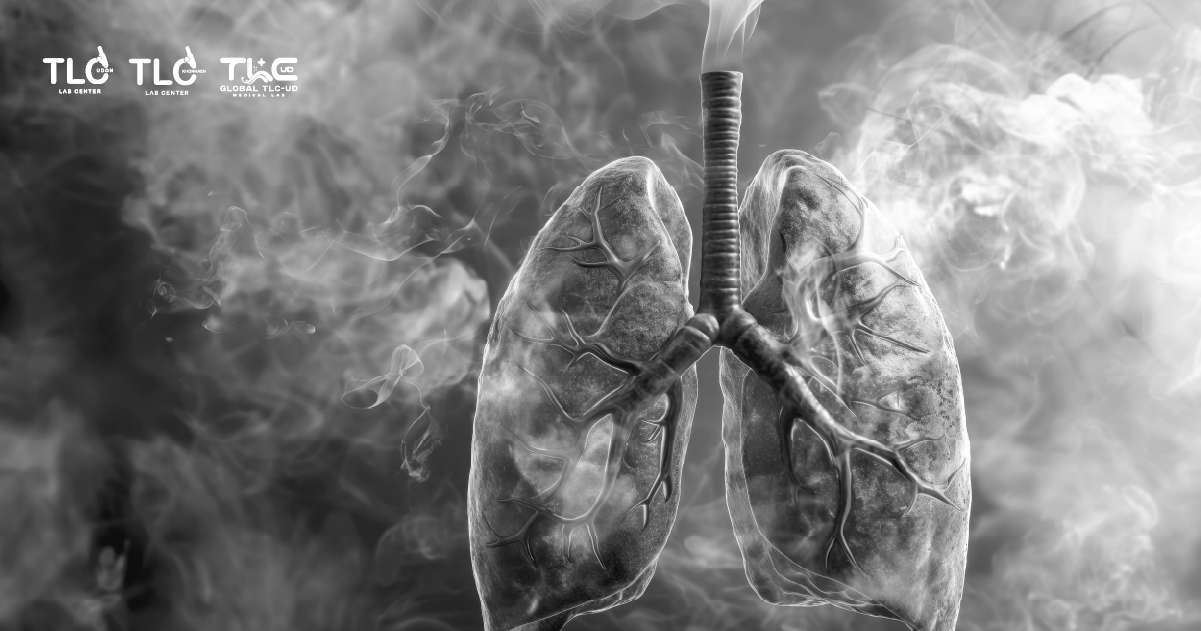
Caused by:- Smoking
- Excessive exposure to pollution
- Iron overload

How inflammation affects bodily systems
- Molecular signalling (cell signalling)
During inflammation, the body releases immune signalling molecules called cytokines, such as:- Interleukin-6 (IL-6)
- TNF-alpha → These activate pathways such as NF-κB (nuclear factor kappa B), an important transcription factor that:
- Increases cytokine production
- Stimulates immune responses
- Promotes chronic inflammation
- Increased oxidative stress
Chronic inflammation leads to:- Increased reactive oxygen species (ROS)
- DNA damage
- Damage to cell membranes
- Protein misfolding (proteins lose proper structure and function, and may accumulate harmfully in cells)
Long-term effect: Increased risk of mutations and cellular degeneration
- Impact on mitochondria
- Reduced energy (ATP) production
- Mitochondrial dysfunction
- Cells become “fatigued” and age more rapidly
This is closely linked to:
- Fatigue
- Loss of muscle mass (sarcopenia)
- Metabolic decline
- Telomere shortening and cellular senescence
Chronic inflammation is associated with:- Accelerated telomere shortening
- Cellular senescence (cells stop dividing and enter an aged state)
These senescent cells release inflammatory factors (SASP: Senescence-Associated Secretory Phenotype), creating a vicious cycle of inflammation and ageing (inflammaging).
- Endothelial dysfunction
Occurs in blood vessel walls:- Reduced nitric oxide
- Increased vascular stiffness
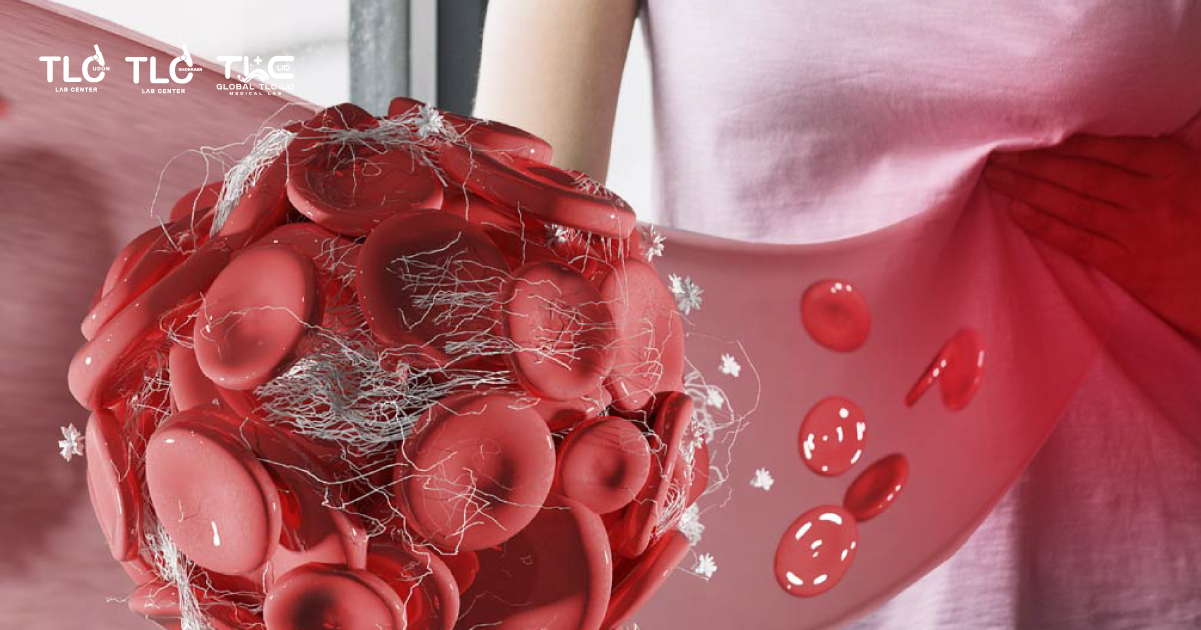
- Higher risk of atherosclerosis (plaque build-up in arteries)
- System-wide effects
Inflammation impacts multiple systems:- Brain: cognitive decline
- Muscles: muscle loss
- Liver: progression of fatty liver disease
- Blood vessels: plaque formation
- Metabolism: insulin resistance
Summary
Acute inflammation = protective
Chronic inflammation = accelerates cellular ageing
Chronic inflammation is therefore the underlying basis of most chronic diseases and a key driver of biological ageing.
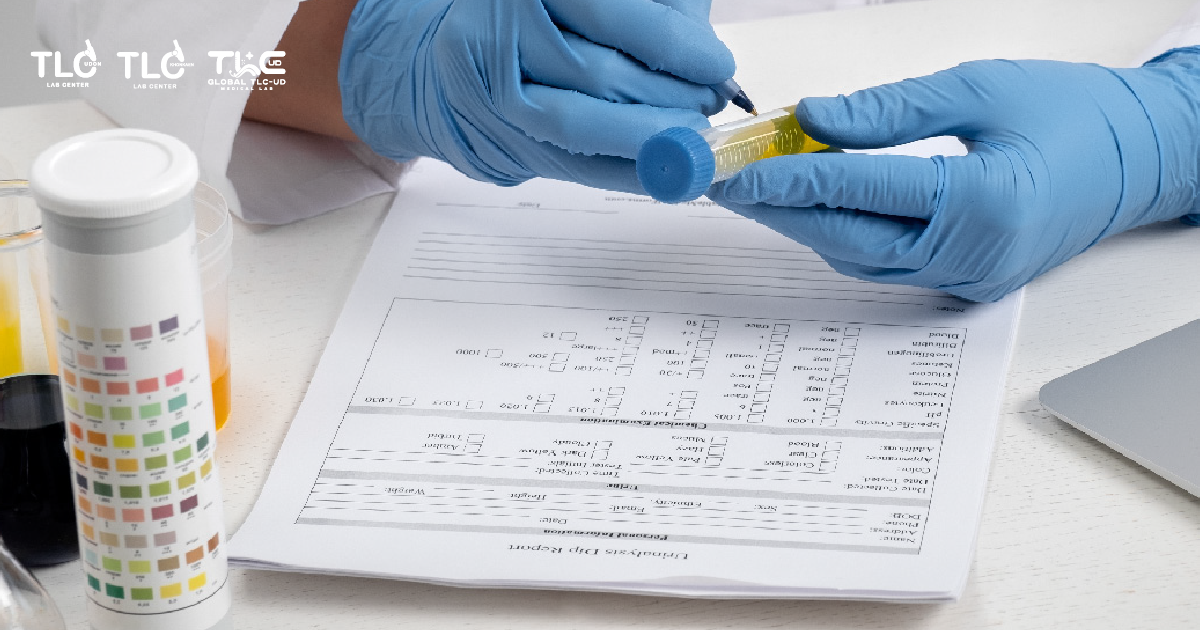
Laboratory tests
- ESR
- hs-CRP
- Homocysteine
- Ferritin
- Fibrinogen
Preparation: Fast for 10–12 hours (water only is permitted).
Dr. Apakorn Poltian
References
1. Calder, P. C., Ahluwalia, N., Brouns, F., Buetler, T., Clement, K., Cunningham, K., … Winklhofer-Roob, B. M. (2011). Dietary factors and low-grade inflammation in relation to overweight and obesity. British Journal of Nutrition, 106(S3), S5–S78.
2.Furman, D., Campisi, J., Verdin, E., Carrera-Bastos, P., Targ, S., Franceschi, C., … Slavich, G. M. (2019). Chronic inflammation in the etiology of disease across the life span. Nature Medicine, 25(12), 1822–1832.
3.Hotamisligil, G. S. (2006). Inflammation and metabolic disorders. Nature, 444(7121), 860–867.
4.Medzhitov, R. (2008). Origin and physiological roles of inflammation. Nature, 454(7203), 428–435.
5.Rea, I. M., Gibson, D. S., McGilligan, V., McNerlan, S. E., Alexander, H. D., & Ross, O. A. (2018). Age and age-related diseases: Role of inflammation triggers and cytokines. Frontiers in Immunology, 9, 586.
6.Franceschi, C., & Campisi, J. (2014). Chronic inflammation (inflammaging) and its potential contribution to age-associated diseases. The Journals of Gerontology: Series A, 69(Suppl_1), S4–S9.