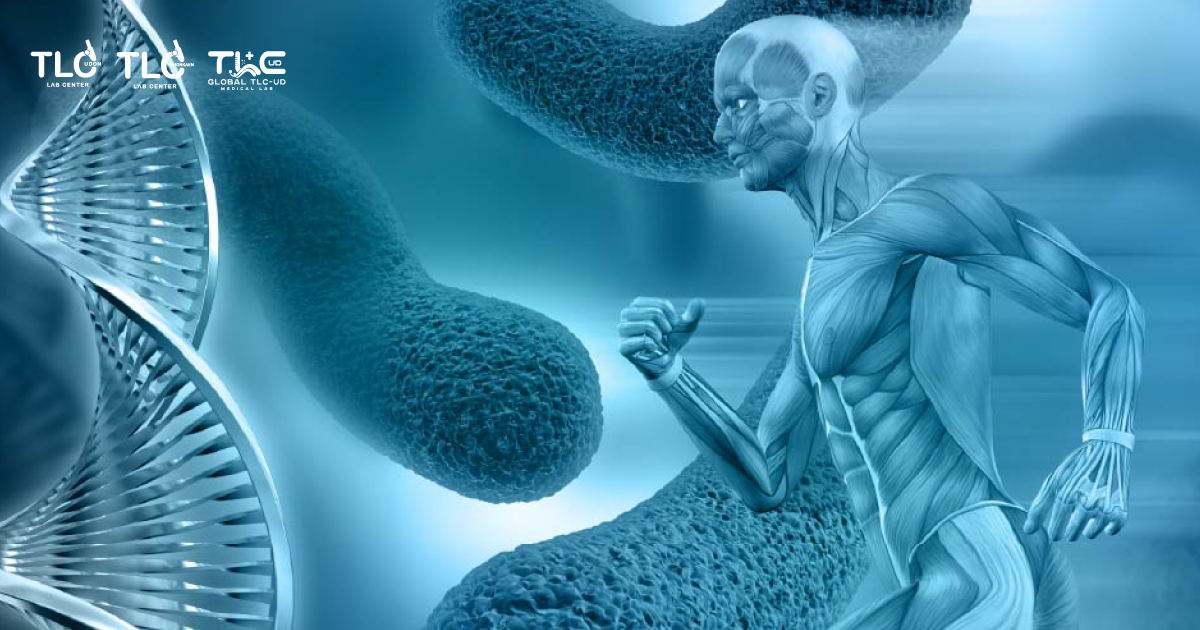
Cell regeneration and autophagy are essential biological processes involved in the repair, renewal, and cleansing of cells. Together, they play a key role in maintaining overall health and slowing the ageing process.
What is Cell Regeneration?
Cell regeneration is the process by which the body repairs and produces new cells to replace those that are damaged or worn out. This process allows tissues to recover from injury, maintains organ function, and helps the body remain strong and balanced.
Examples include:
The production of new skin cells
The formation of new blood cells
Repair of tissues in various organs
Key mechanisms involved include:
Stem cells, which generate new cells
DNA repair mechanisms, which correct damage to genetic material
Growth factors, which stimulate cell division and regeneration
Mitochondrial biogenesis, the formation of new mitochondria within cells
What is Autophagy?
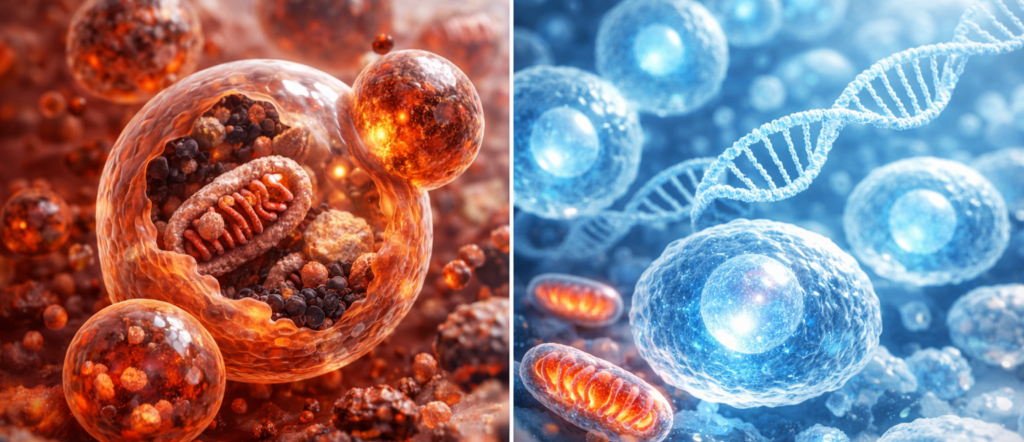
Autophagy refers to the process by which cells remove and recycle damaged or unnecessary components within themselves, such as degraded proteins, damaged mitochondria, and other cellular waste.
Autophagy helps to:
Remove cellular waste products
Reduce cellular damage
Prevent the accumulation of toxic substances inside cells
Importance for Health
Removal of damaged cellular components
Autophagy helps eliminate:
Damaged proteins
Dysfunctional mitochondria
These factors are linked to ageing and chronic inflammation.
Slowing the ageing process
Autophagy helps reduce:
Oxidative stress (an imbalance caused by excessive free radicals)
Cellular damage
This contributes to healthier ageing and improved cellular resilience.
Reduced risk of chronic diseases
These processes are associated with protection against several chronic conditions, including:
Alzheimer’s disease
Parkinson’s disease
Type 2 diabetes
Cancer
Supporting mitochondrial health
Healthy autophagy includes mitophagy, the removal of damaged mitochondria from cells. This process helps to:
Improve cellular energy production
Enhance overall cell function
Factors that support effective autophagy
Several lifestyle factors can promote healthy autophagy, including:
Intermittent fasting
Regular exercise
Good sleep quality
Reducing sugar and ultra-processed foods
Certain natural compounds such as polyphenols (e.g. resveratrol)
How Cell Regeneration and Autophagy work together
These two processes function together much like a cellular cleaning and renewal system.
| Step | Autophagy | Cell Regeneration |
|---|---|---|
| 1 | Removal of cellular waste | - |
| 2 | Recycling amino acids and nutrients | Uses nutrients to build new cells |
| 3 | Removes damaged mitochondria | Produces new mitochondria |
| 4 | Reduces oxidative stress | New cells function more efficiently |
| 5 | Restores cellular balance | Stimulates tissue repair |
Summary
Cell regeneration and autophagy are fundamental processes that support cell renewal and cellular cleansing. When these systems function efficiently, they help maintain healthy cells, reduce inflammation, and slow aspects of the ageing process. Together they contribute to physiological balance and long-term health.
Dr. Apakorn Poltian
References
1.Levine, B., & Kroemer, G. (2008).Autophagy in the pathogenesis of disease. Cell, 132(1), 27–42.
2. López-Otín, C., Blasco, M. A., Partridge, L., Serrano, M., & Kroemer, G. (2013).
The hallmarks of aging. Cell, 153(6), 1194–1217.
3.Madeo, F., Zimmermann, A., Maiuri, M. C., & Kroemer, G. (2015).
Essential role for autophagy in life span extension. The Journal of Clinical Investigation, 125(1), 85–93.
4.Mizushima, N., Levine, B., Cuervo, A. M., & Klionsky, D. J. (2008).
Autophagy fights disease through cellular self-digestion. Nature, 451(7182), 1069–1075.
5.Rubinsztein, D. C., Mariño, G., & Kroemer, G. (2011).
Autophagy and aging. Cell, 146(5), 682–695.