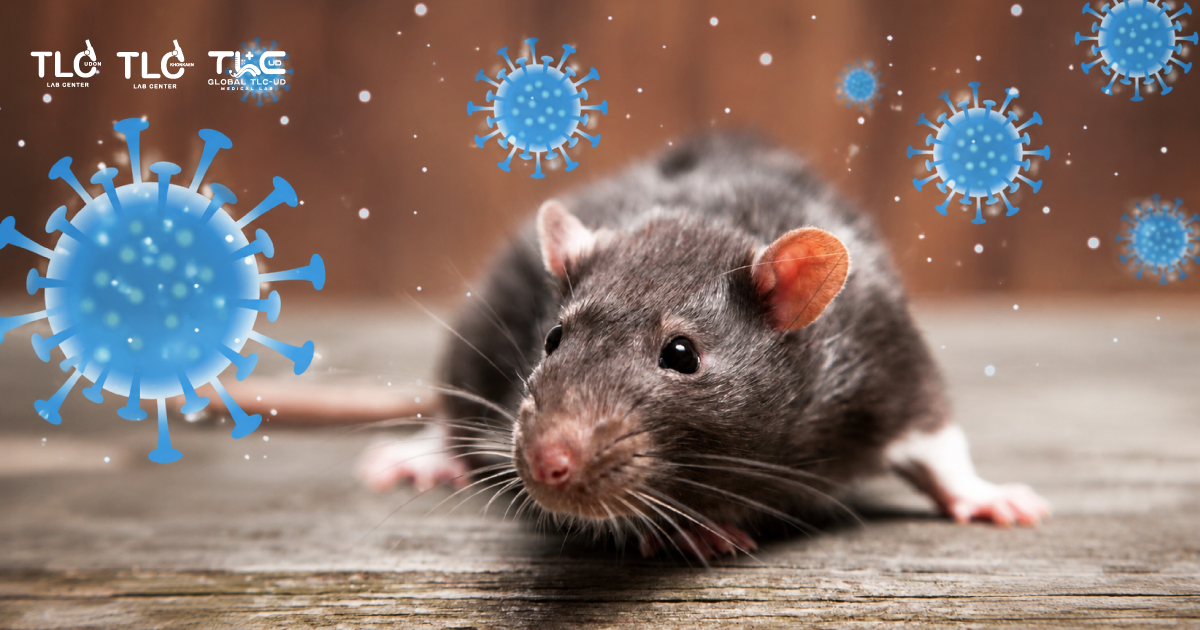
Hantavirus is a group of viruses transmitted by rodents, particularly rats and mice, which can cause severe disease in humans. Although infections are relatively uncommon, the mortality rate can be quite high, especially in the form known as Hantavirus Pulmonary Syndrome (HPS) or Hantavirus Cardiopulmonary Syndrome (HCPS).
The World Health Organization and the Centers for Disease Control and Prevention classify hantavirus as a zoonotic disease requiring close surveillance because it can rapidly lead to respiratory failure, kidney failure, and death.
What is Hantavirus?
Hantavirus belongs to the Hantaviridae family, with rodents serving as its natural reservoir, including:
- House rats and mice
- Field rats
- Wild rodents
- Deer mice (Deer mouse)
The virus is found worldwide, although the type of illness and severity vary by region:
- In the Americas, it commonly causes severe pulmonary disease (HCPS/HPS).
- In Europe and Asia, it more commonly causes Haemorrhagic Fever with Renal Syndrome (HFRS).
Transmission
Hantavirus is commonly present in the urine, droppings, and saliva of infected rodents. Humans may become infected through the following main routes:
- Inhalation: The most common route, through breathing in aerosolised particles from contaminated rodent urine or droppings in dust or air.
- Direct contact: Touching contaminated materials and then touching the nose, mouth, or eyes.
Can Hantavirus Spread from Person to Person?
In general, hantavirus does not spread between people. However, an exception exists with the Andes virus, found in South America, where rare cases of person-to-person transmission have been reported among close contacts such as spouses or family members.

Symptoms
Symptoms usually appear approximately 1–8 weeks after exposure. Early symptoms resemble common influenza, making diagnosis difficult.
Early Symptoms
- High fever
- Muscle aches
- Headache
- Fatigue
- Nausea and vomiting
- Abdominal pain
Severe Symptoms
After several days, some patients may rapidly deteriorate and develop:
Hantavirus Pulmonary Syndrome (HPS)
- Shortness of breath
- Pulmonary oedema (fluid in the lungs)
- Heart failure
- Cardiopulmonary failure
Or, in some regions:
Haemorrhagic Fever with Renal Syndrome (HFRS)
- Kidney inflammation
- Abnormal bleeding
- Low blood pressure
- Acute kidney failure
Diagnosis
Diagnosis may involve:
- History of rodent exposure or travel to risk areas
- Clinical symptoms
- Blood tests for antibodies
- RT-PCR blood testing for viral detection
- Kidney function tests
Because symptoms may resemble influenza, dengue fever, or viral pneumonia, obtaining a detailed history of rodent exposure is extremely important.
Treatment
At present, there is no specific antiviral treatment for hantavirus infection. Management is mainly supportive and may include:
- Supportive care
- Oxygen therapy
- Intensive care unit (ICU) management in severe cases
Early medical attention can significantly reduce the risk of death.
Prevention
- Eliminate rodent food sources
- Seal openings where rodents may enter the home
- Store food in tightly sealed containers
- Wear gloves and masks when cleaning high-risk areas
- Avoid sweeping or vacuuming dry rodent droppings, as this may aerosolise the virus
- Spray disinfectant to dampen contaminated areas before cleaning
Summary
Hantavirus is a serious rodent-borne infectious disease that, although uncommon, can be highly severe, particularly when it causes lung inflammation and respiratory failure. The best prevention is to avoid contact with rodents and their bodily secretions, while maintaining good household and environmental hygiene.