
What Are NAD and NADH, and Why Do They Matter?
NAD stands for Nicotinamide Adenine Dinucleotide—a critical molecule found in every living cell. It acts as a coenzyme, supporting countless metabolic…..

NAD stands for Nicotinamide Adenine Dinucleotide—a critical molecule found in every living cell. It acts as a coenzyme, supporting countless metabolic…..

Ketones are chemicals produced by the liver when the body breaks down fat to use as energy. Normally, the body relies on glucose from food as its main…..

Cellular regeneration refers to the body’s natural ability to repair or replace damaged cells with new ones. This process is essential for maintaining…..
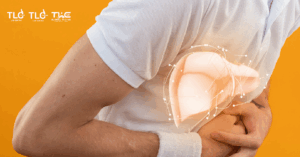
Bilirubin is a yellow pigment produced when old red blood cells are broken down. The liver processes this pigment and eliminates it from the body via bile….

The GI-MAP (Gastrointestinal Microbial Assay Plus) is a stool analysis that provides a detailed assessment of gastrointestinal health. It examines various….

Neurotransmitters are chemicals used by the brain and nervous system to send messages between nerve cells—or between nerves and other parts of the body…..

Interleukins (ILs) are a group of signalling molecules known as cytokines, which play a crucial role in the immune system. Acting as messengers between…..
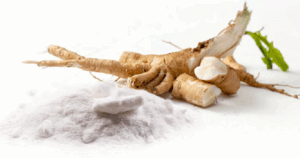
Inulin is a type of soluble dietary fibre that belongs to a group of carbohydrates known as fructans. Unlike other nutrients, it cannot be digested by…..

Rhabdomyolysis is a serious condition in which skeletal muscle tissue breaks down, causing the muscle fibres to rupture. This releases substances normally…..

Prebiotics are types of dietary fiber that the human body cannot digest, but they serve as “food” for beneficial gut bacteria, such as Bifidobacteria and…..



You cannot copy content of this page