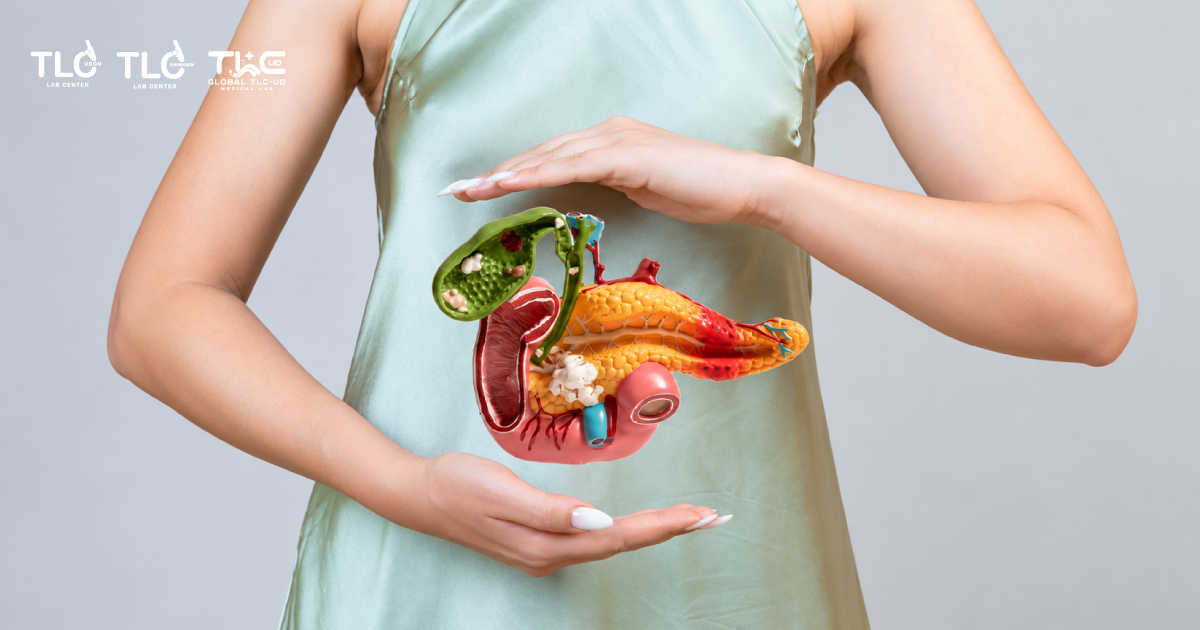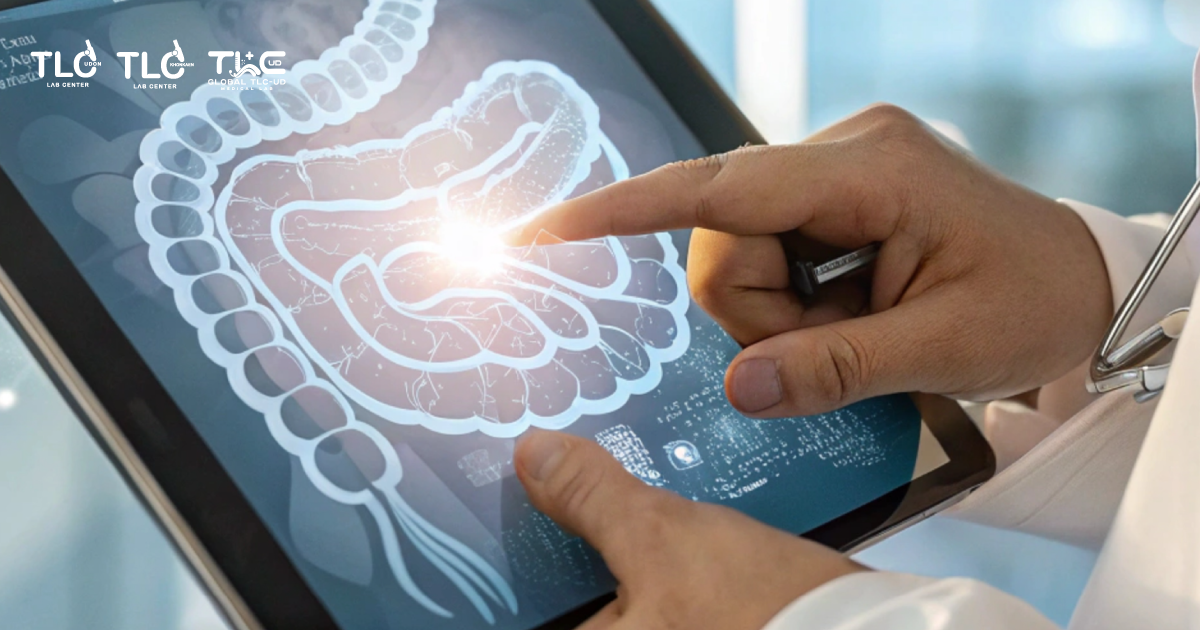
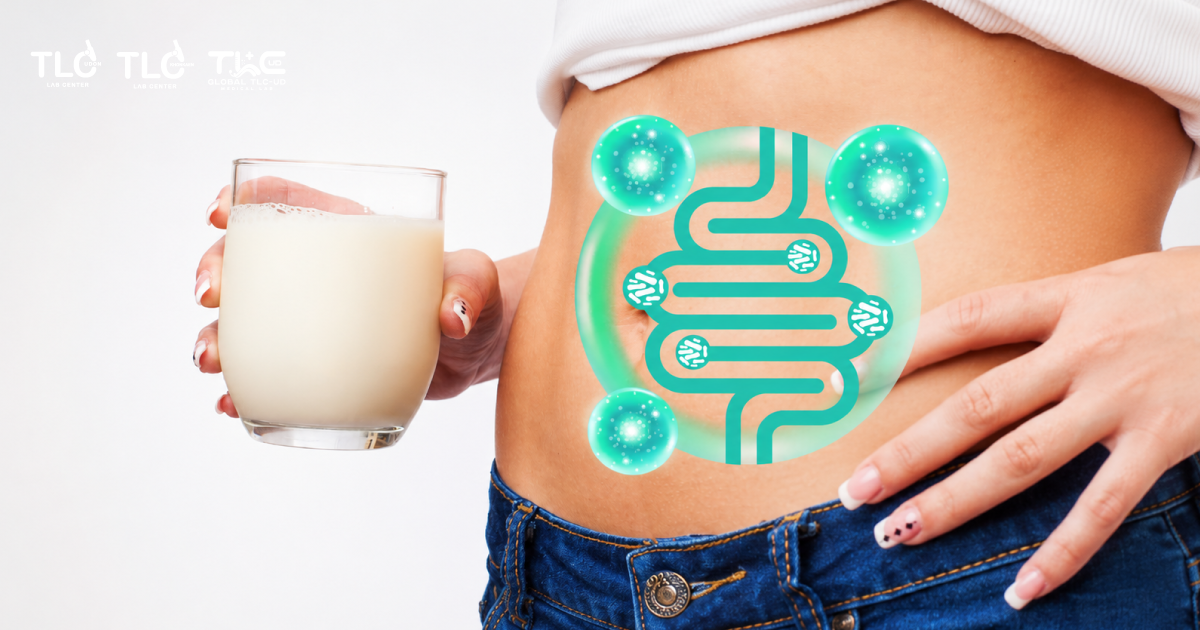
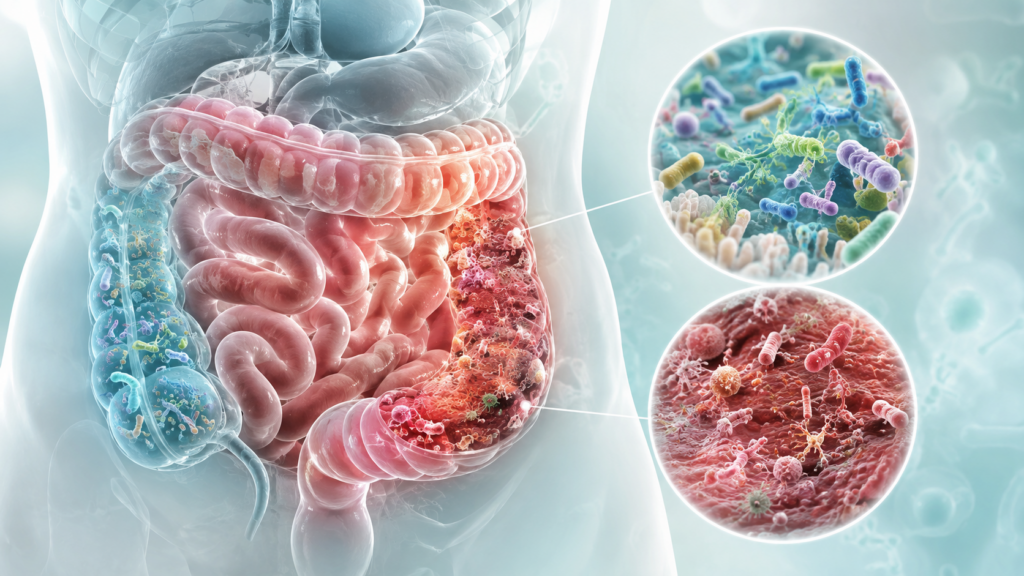
Gut dysbiosis is an imbalance of the gut microbiome that occurs when the number of beneficial bacteria decreases, harmful bacteria or certain fungi increase, or the diversity of the gut microbiome is reduced. This imbalance can impair the normal function of the digestive system, immune system and the body’s metabolism.
Causes of Gut Dysbiosis
- A diet high in sugar and processed foods
- Low dietary fibre intake
- Frequent or prolonged use of antibiotics
- Chronic stress
- Inadequate sleep
- Excessive alcohol consumption
- Gastrointestinal infections
Possible Symptoms
- Bloating and abdominal discomfort
- Chronic diarrhoea or constipation
- Irritable Bowel Syndrome (IBS)
- Fatigue and low energy
- Skin inflammation, acne or rashes
- Food sensitivities
- Reduced immune function and frequent infections
- Brain fog, poor concentration or mood changes
Health Effects
Gut dysbiosis has been associated with a number of health conditions, including:
- Insulin resistance
- Obesity
- Type 2 diabetes
- Fatty liver disease
- Inflammatory Bowel Disease (IBD)
- Allergic and autoimmune diseases
- Cardiovascular disease
- Depression and anxiety through the Gut–Brain Axis
How Can Gut Dysbiosis Be Assessed?
- Gut Microbiome Analysis – Evaluates the composition of the gut microbiome.
- Stool Analysis – Assesses digestion, inflammation and gastrointestinal infections.
- Organic Acids Test (OAT) – Evaluates metabolic by-products produced by gut microorganisms.
- SIBO Breath Test – Detects small intestinal bacterial overgrowth.
- Inflammatory marker testing – Such as hs-CRP or faecal calprotectin (when intestinal inflammation is suspected).
Approaches to Restoring Beneficial Gut Bacteria
- Increase dietary fibre from vegetables, fruits and whole grains.
- Eat fermented foods containing beneficial microorganisms, such as yoghurt, kefir and kimchi.
- Increase prebiotic-rich foods, including garlic, onions, asparagus and green bananas.
- Reduce sugar, processed foods and alcohol.
- Get adequate sleep and manage stress effectively.
- Use probiotics or prebiotics when clinically indicated, selecting strains that are appropriate for the individual’s specific condition.
Summary
Gut dysbiosis is not a disease, but rather an imbalance of the gut microbiome that may contribute to the development of many chronic diseases. Appropriate assessment, together with personalised nutritional advice and healthy lifestyle changes, can help restore gut microbial balance and effectively support overall health.
References
- Cani, P. D. (2018). Human gut microbiome: Hopes, threats and promises. Gut, 67(9), 1716–1725.
- Kho, Z. Y., & Lal, S. K. (2018). The human gut microbiome – A potential controller of wellness and disease. Frontiers in Microbiology, 9, Article 1835.
- Lynch, S. V., & Pedersen, O. (2016). The human intestinal microbiome in health and disease. The New England Journal of Medicine, 375(24), 2369–2379.
- Petersen, C., & Round, J. L. (2014). Defining dysbiosis and its influence on host immunity and disease. Cell Microbiology, 16(7), 1024–1033.
- Sommer, F., & Bäckhed, F. (2013). The gut microbiota—Masters of host development and physiology. Nature Reviews Microbiology, 11(4), 227–238.
- Valdes, A. M., Walter, J., Segal, E., & Spector, T. D. (2018). Role of the gut microbiota in nutrition and health. BMJ, 361, k2179.
- Zmora, N., Suez, J., & Elinav, E. (2019). You are what you eat: Diet, health and the gut microbiota. Nature Reviews Gastroenterology & Hepatology, 16(1), 35–56.