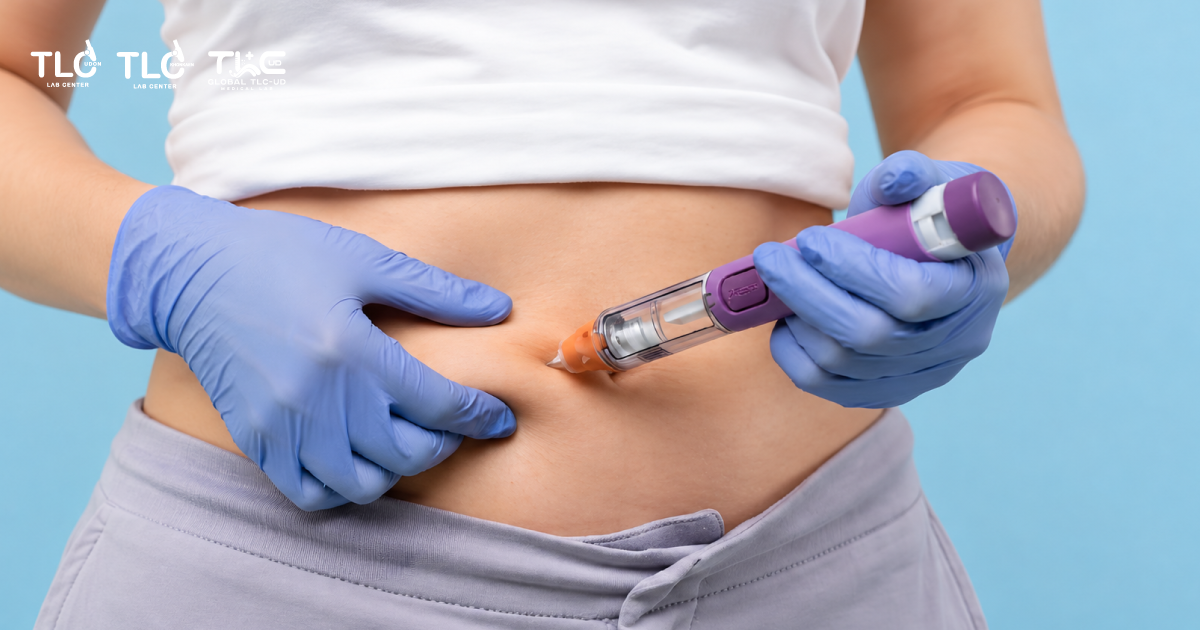
How should you monitor your health when using weight-loss injections?
1. Baseline Check – Establishing Your Health Status Before Starting Treatment
Before starting weight-loss injections, it is recommended to establish a baseline health profile by checking key biomarkers:
- CBC (Complete Blood Count)
- Fasting Blood Sugar (FBS)
- HbA1c
- Kidney function: BUN, Creatinine/eGFR
- Liver function: AST, ALT, ALP, Bilirubin
- Lipid Profile
- Thyroid function: Free T3, Free T4, TSH
- Electrolytes: Sodium (Na), Potassium (K)
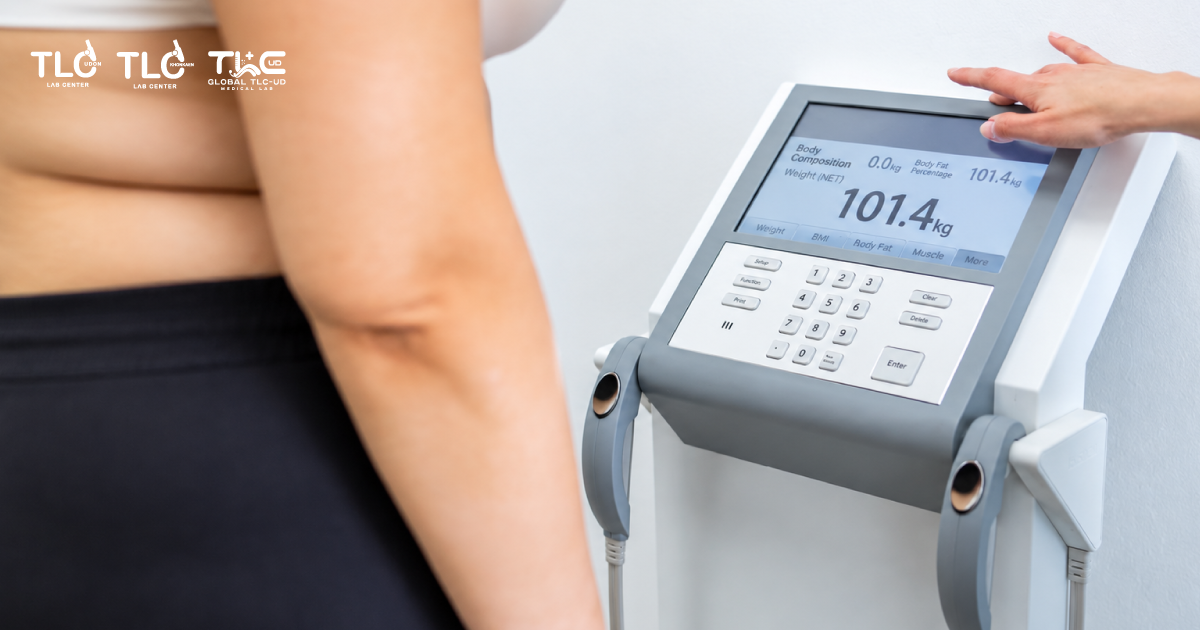
- Body Composition: Weight, BMI, waist circumference, body fat percentage, visceral fat and skeletal muscle mass
Recording these measurements at baseline provides a reference point for future monitoring. It can help determine whether weight loss is primarily due to a reduction in body fat or whether there has also been a loss of muscle mass.
2. 1–3 Months – Safety Check
During the first 1–3 months, monitoring focuses on treatment safety and the body’s response to the medication.
Recommended tests include:
- Fasting Blood Sugar (FBS)
- Kidney function: BUN, Creatinine/eGFR
- Electrolytes: Sodium (Na), Potassium (K)
- Liver function: AST, ALT
Note: Lipase and Amylase may be considered if symptoms such as nausea, vomiting, or a significant reduction in food or fluid intake occur, where clinically indicated. Lipase ± Amylase is not routinely required for everyone and is generally considered when there are symptoms or other clinical findings that raise concern about pancreatitis.
3. 3–6 Months – Metabolic Follow-up
At 3–6 months, monitoring helps assess whether the treatment is resulting in reduced body fat, preservation of muscle mass and improved metabolic health.
Recommended tests include:
- Fasting Blood Sugar (FBS)
- Fasting Insulin
- HOMA-IR
- HbA1c
- Lipid Profile
- Kidney function: BUN, Creatinine/eGFR
- Liver function: AST, ALT
- Body Composition: Weight, BMI, waist circumference, body fat percentage, visceral fat and skeletal muscle mass