
Oxidative stress balance refers to the equilibrium between oxidants (free radicals) and the body’s antioxidant defence system.
Oxidative stress occurs when the body produces excessive Reactive Oxygen Species (ROS) and the antioxidant defence system is unable to neutralise or control them. This imbalance can lead to damage to cells, tissues, and DNA.
Mechanisms of Oxidative Stress
In the human body, Reactive Oxygen Species (ROS) are continuously produced through various physiological processes, including:
- Mitochondrial activity
- Energy metabolism
- Immune system inflammation
- Exposure to environmental pollutants or toxins
When ROS levels become excessive, they can cause damage such as:
- DNA damage – leading to cellular mutations
- Lipid peroxidation – damaging cell membranes
- Protein damage – causing proteins within cells to malfunction
What is Oxidative Stress Balance?
Oxidative stress balance refers to the body’s ability to maintain an appropriate equilibrium between the production of free radicals and the body’s capacity to neutralise or prevent their harmful effects.
When this balance is maintained:
- Cells function efficiently and effectively
- DNA and mitochondria are protected
- Inflammation is reduced
- Biological ageing slows, supporting longevity
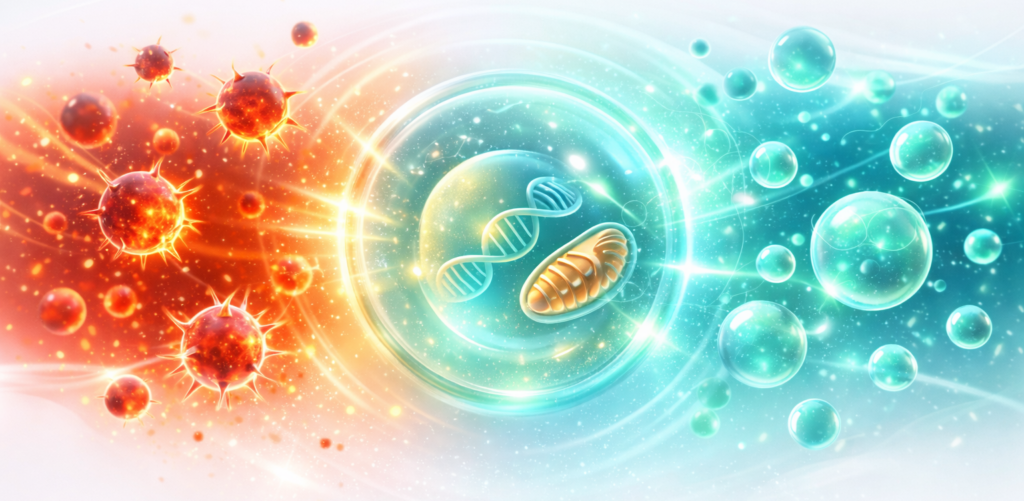
What Happens When the Balance Is Disrupted?
If free radicals become excessive or antioxidant levels are insufficient, oxidative stress occurs. This may lead to:
- Cellular damage
- Reduced mitochondrial function
- Increased inflammation
- Accelerated cellular ageing
- Increased risk of chronic diseases such as:
- Cardiovascular disease
- Neurodegenerative diseases
- Metabolic diseases including Alzheimer’s and Parkinson’s disease
- Cancer
- Chronic inflammatory conditions
Factors That Increase Oxidative Stress
- Chronic psychological stress
- Smoking and alcohol consumption
- Environmental pollution
- Diets high in sugar or unhealthy fats
- Insufficient sleep
- Chronic inflammation
Ways to Reduce Oxidative Stress
- Consume foods rich in antioxidants such as vegetables, fruits, and berries
- Engage in regular physical exercise
- Maintain adequate sleep
- Manage stress through practices such as meditation or mindfulness
- Consider antioxidant supplementation such as:
- Vitamin C
- Vitamin E
- Coenzyme Q10 (CoQ10)
- Glutathione
- Selenium
- Polyphenols (e.g., resveratrol)
Summary
Oxidative stress balance is a fundamental aspect of cellular health. When the body effectively regulates both free radical production and antioxidant defences, cells are protected, biological functions operate efficiently, and long-term health and longevity are supported.
References
1.Sies, H., & Jones, D. P. (2020). Reactive oxygen species (ROS) as pleiotropic physiological signalling agents. Nature Reviews Molecular Cell Biology, 21(7), 363–383.
2.Liguori, I., Russo, G., Curcio, F., Bulli, G., Aran, L., Della-Morte, D., … Abete, P. (2018). Oxidative stress, aging, and diseases. Clinical Interventions in Aging, 13, 757–772.
3.Pham-Huy, L. A., He, H., & Pham-Huy, C. (2008). Free radicals, antioxidants in disease and health. International Journal of Biomedical Science, 4(2), 89–96.