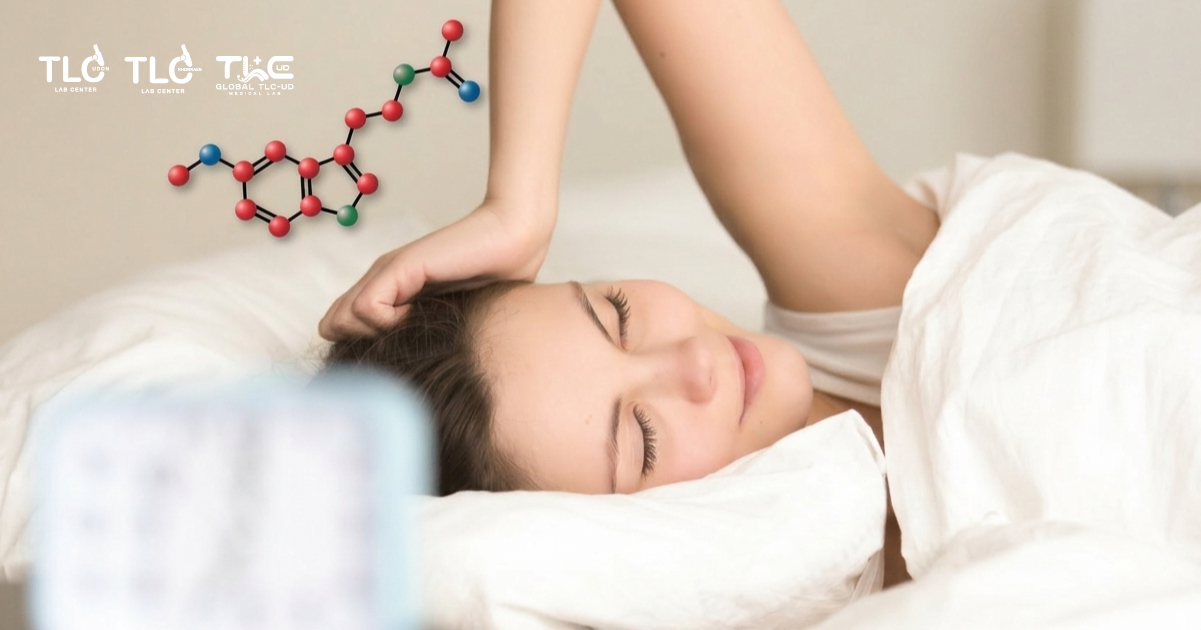
Serotonin, often referred to as the “happiness chemical,” is a neurotransmitter that plays a crucial role in both physical and mental functions. While most people recognize serotonin for its role in mood regulation, its functions extend far beyond that. Serotonin is also involved in regulating sleep, supporting digestion, and contributing to the process of blood clotting.
What is serotonin?
Serotonin (biochemically known as 5-HT or 5-hydroxytryptamine) is a neurotransmitter involved in regulating mood, happiness, sleep, and various bodily systems. Although it is commonly called the “happiness hormone”, serotonin actually functions in both the brain and the gut. Around 90% of the body’s serotonin is found in the gastrointestinal tract, not just the brain.
How is serotonin produced?
Serotonin is synthesised from an amino acid called tryptophan, which is obtained from foods such as eggs, milk, meat, nuts, and seeds.
This process also requires supporting nutrients, including:
- Vitamin B6
- Magnesium
- Sunlight (which helps regulate the production cycle)
Supporting natural melatonin production
- Morning sunlight exposure: helps set the body clock accurately
- Avoid screens 1 hour before bed: or use blue-light filters
- Consume tryptophan-rich foods: such as bananas, milk, almonds, and soybeans
- Keep the bedroom dark: the darker the environment, the better melatonin is released
Key functions of serotonin
- Mood regulation: Serotonin helps promote calmness, relaxation, and a sense of wellbeing.
Low levels are associated with an increased risk of depression and anxiety. - Sleep: Serotonin is a precursor to melatonin and plays a key role in regulating the circadian rhythm.
- Digestive system: It regulates intestinal movement and can influence symptoms such as constipation or diarrhoea.
- Appetite control: Serotonin affects hunger and satiety. Low levels may increase cravings for sugar.
- Cardiovascular system:
It helps regulate blood vessel constriction.
Symptoms of low serotonin
- Insomnia or poor-quality sleep
- Mood swings and irritability
- Anxiety
- Depression
- Frequent sugar cravings
- Fatigue and low energy
In some cases, these symptoms may be linked to what is referred to as serotonin deficiency syndrome.

Serotonin and menopause
During menopause, declining levels of oestrogen have a direct impact on serotonin:
- Estrogen helps stimulate serotonin production
- When oestrogen falls, serotonin levels may also decrease
This can lead to symptoms such as insomnia, mood instability, and hot flushes, which explains why sleep and mood disturbances often occur together in menopausal women.
Natural ways to increase serotonin
- Morning sunlight exposure: directly stimulates serotonin production
- Exercise, particularly aerobic activities such as brisk walking or running, helps increase serotonin and endorphins
- Balanced nutrition: including high-quality protein and complex carbohydrates (which support tryptophan entry into the brain)
- Consistent sleep routine: helps regulate the serotonin → melatonin cycle
- Gut health support: as the gut is a major source of serotonin production
Caution: excessive serotonin
Although uncommon, excessively high serotonin levels (often due to medication) can lead to serotonin syndrome, with symptoms such as:
- Rapid heart rate
- Excessive sweating
- Agitation
- Muscle twitching
This is most often seen in individuals taking multiple antidepressant medications.
Summary
Serotonin is a key molecule that links the brain, gut, and hormonal systems. It plays a central role in mood regulation, sleep, digestion, and interacts closely with sex hormones—particularly during menopause.
Maintaining balanced serotonin levels does not rely solely on medication, but on a holistic lifestyle approach, including nutrition, sleep, physical activity, and sunlight exposure.
Dr. Apakorn Poltian (Medical Technologist)
Reference
1. Berger, M., Gray, J. A., & Roth, B. L. (2009). The expanded biology of serotonin. Annual Review of Medicine, 60, 355–366.
2. Boyer, E. W., & Shannon, M. (2005). The serotonin syndrome. New England Journal of Medicine, 352(11), 1112–1120.
3. Cowen, P. J., & Browning, M. (2015). What has serotonin to do with depression? World Psychiatry, 14(2), 158–160.
4. Lowry, C. A., et al. (2008). Serotonin, anxiety, and affective disorder: Focus on the serotonergic system. Neuroscience & Biobehavioral Reviews, 32(6), 1141–1159.
5. Young, S. N. (2007). How to increase serotonin in the human brain without drugs. Journal of Psychiatry & Neuroscience, 32(6), 394–399.