Oxytocin is both a hormone and a neurotransmitter produced in the hypothalamus and released by the pituitary gland. Its primary roles are in childbirth and breastfeeding, but it also plays a crucial part in human relationships—covering love, bonding, trust, and social behaviour. For this reason, oxytocin is often referred to as the “love hormone”, “hug hormone”, or “trust hormone”.
Key functions of oxytocin
- Promotes love and bonding
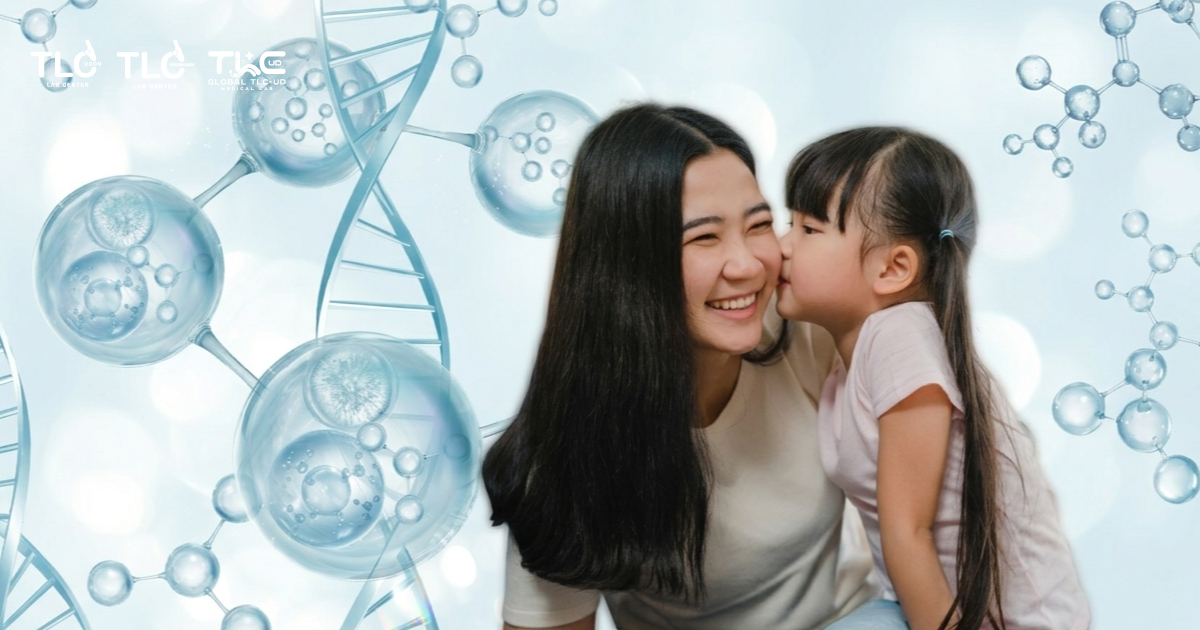
Oxytocin is often called the “love hormone” because its levels rise with physical touch, such as hugging, holding hands, or during mother–infant interaction.- Helps form the mother–infant bond during pregnancy and breastfeeding
- Plays a role in romantic relationships
- Enhances feelings of trust and emotional warmth
- Supports childbirth and breastfeeding
Physiologically, oxytocin is essential for reproductive processes:- Stimulates uterine contractions during labour
- Triggers the milk let-down reflex during breastfeeding
- Reduces stress and anxiety
Oxytocin influences the autonomic nervous system and stress hormones:- Lowers cortisol levels
- Promotes calmness and relaxation
- May help reduce symptoms of anxiety and depression
- Influences social behaviour
Oxytocin affects various aspects of social interaction:- Increases empathy
- Encourages social bonding
- Plays a role in recognising faces and interpreting emotions
- Oxytocin and the brain
Oxytocin works alongside the dopamine system, which is involved in the brain’s reward system. Positive interactions—such as affection or receiving love—are “remembered” by the brain as rewarding experiences, encouraging repetition.
Oxytocin imbalance
Although oxytocin is not commonly measured in clinical practice, abnormal levels may be associated with:
Autism spectrum disorder
Depression
Difficulties in relationships or social interaction

Natural ways to boost oxytocin
Oxytocin release can be stimulated naturally without medication, for example:
Hugging or physical touch with loved ones
Laughing and spending time with close relationships
Meditation and relaxation practices
Giving and receiving support
Caring for pets, such as dogs or cats
Longevity and health perspective
- Supports cardiovascular and nervous system health
May help reduce chronic inflammation
Promotes mental well-being and social connection, contributing to longevity
Summary
Oxytocin is more than just a hormone—it acts as a “bridge” in human relationships, influencing both physical and emotional health. From childbirth to love, trust, and everyday happiness, maintaining emotional well-being and nurturing positive relationships are key to supporting healthy oxytocin balance.
Dr. Apakorn Poltian (Medical Technologist)
Reference
1. Carter, C. S. (2014). Oxytocin pathways and the evolution of human behaviour. Annual Review of Psychology, 65, 17–39.
2. Feldman, R. (2012). Oxytocin and social affiliation in humans. Hormones and Behaviour, 61(3), 380–391.
3. Heinrichs, M., von Dawans, B., & Domes, G. (2009). Oxytocin, vasopressin, and human social behaviour. Frontiers in Neuroendocrinology, 30(4), 548–557.
4. Leng, G., & Ludwig, M. (2016). Intranasal oxytocin: Myths and delusions. Biological Psychiatry, 79(3), 243–250.
5. MacDonald, K., & MacDonald, T. M. (2010). The peptide that binds: A systematic review of oxytocin and its prosocial effects. Harvard Review of Psychiatry, 18(1), 1–21.