Five Nutrients (Vitamin D, Zinc, Magnesium Glycinate, Coenzyme Q10 (CoQ10) and Omega-3) each have distinct functions, but they work together to support a wide range of physiological processes.
These five nutrients contribute to the health of the immune system, bones, muscles, nervous system, heart and brain, as well as cellular energy production and the body’s inflammatory response.
However, the benefits obtained depend on an individual’s nutritional status, overall health, dosage and specific nutritional requirements.
What Are These Five Nutrients?
The nutrients discussed in this article are:
- Vitamin D
- Zinc
- Magnesium Glycinate (Magnesium Bisglycinate)
- Coenzyme Q10 (CoQ10)
- Omega-3
Each nutrient has its own unique role, while some also support interconnected biological processes within the body.
1. Vitamin D and Magnesium Support Bone and Muscle Health
Magnesium is involved in hundreds of enzymatic reactions, including those responsible for converting vitamin D into its biologically active form.
If magnesium intake is inadequate, the body may not utilise vitamin D efficiently, even when vitamin D levels appear to be sufficient.
Together, vitamin D and magnesium help support:
- Healthy bones and teeth
- Normal muscle function
- Normal nervous system function
- Calcium balance within the body
- Normal immune system function
2. Vitamin D and Zinc Support the Immune System
Both vitamin D and zinc play important roles in immune function, although they act through different mechanisms.
Vitamin D helps regulate the activity of immune cells and is involved in the body’s inflammatory response.
Zinc is essential for the production and function of white blood cells, cell division, protein synthesis and wound healing.
Adequate intake of both nutrients helps support the normal function of the immune system.
However, consuming amounts above the body’s requirements does not necessarily provide additional immune benefits.
3. Magnesium and Coenzyme Q10 Support Cellular Energy Production
Magnesium is essential for the production and utilisation of ATP (adenosine triphosphate), the primary source of energy used by cells.
Coenzyme Q10 is a naturally occurring compound found in particularly high concentrations in organs with high energy demands, such as the heart, liver, kidneys and pancreas.
CoQ10 plays a key role in mitochondrial energy production and also helps protect cells against oxidative stress.
Adequate levels of magnesium and CoQ10 may help support:
- Cellular energy production
- Normal muscle function
- Heart function
- Recovery following exercise
- The function of energy-demanding organs
However, the effects of CoQ10 supplementation on fatigue or physical performance may vary between individuals.
4. Coenzyme Q10 and Omega-3 Support Cardiovascular Health
Coenzyme Q10 contributes to energy production within heart muscle cells and helps reduce oxidative stress.
Omega-3 fatty acids, particularly EPA and DHA, are important structural components of cell membranes and play an important role in cardiovascular health.
Omega-3 is also involved in regulating inflammatory responses and may help lower triglyceride levels in certain individuals.
Appropriate intake of CoQ10 and Omega-3 may help support:
- Heart muscle function
- Healthy blood vessels
- Normal circulation
- Healthy triglyceride levels
- Protection of cells from oxidative stress
However, it should not be concluded that these nutrients directly prevent or treat heart disease.
5. Omega-3 and Vitamin D Support Brain and Nervous System Health
DHA, one of the principal Omega-3 fatty acids, is a major structural component of brain tissue and nerve cell membranes.
Vitamin D also plays an important role in nervous system function and is involved in several processes within the brain.
Adequate intake of Omega-3 and vitamin D may help support:
- Brain function
- Nervous system function
- Healthy cell membranes
- Memory and learning
- Emotional wellbeing
However, evidence regarding the use of supplements to improve memory or mood remains mixed, and individual responses vary.
6. Zinc, Coenzyme Q10 and Omega-3 Help Protect Cells
Zinc forms part of numerous enzymes involved in immune function and cellular protection.
Coenzyme Q10 plays an important role within the mitochondria and contributes to the body’s antioxidant defence systems.
Omega-3 fatty acids are involved in producing compounds that help regulate inflammatory processes.
When consumed in appropriate amounts, these three nutrients may help support:
- Protection against oxidative stress
- Regulation of inflammatory processes
- Normal immune system function
- Healthy cell membranes
- Long-term health and wellbeing
Overall Benefits of These Five Nutrients
Adequate intake of Vitamin D, Zinc, Magnesium Glycinate, Coenzyme Q10 and Omega-3 may help support:
- Cellular energy production
- Normal immune function
- Bone and muscle health
- Nervous system function
- Heart and cardiovascular health
- Brain function and memory
- Recovery after exercise
- Healthy inflammatory responses
- Protection against oxidative stress
- Healthy ageing
Nevertheless, a balanced and varied diet should always be the primary source of nutrition. Food supplements should only be used when appropriate or on the advice of a healthcare professional.
Suggested Timing for Supplementation
- After Breakfast or Lunch
- Vitamin D + Coenzyme Q10 + Omega-3
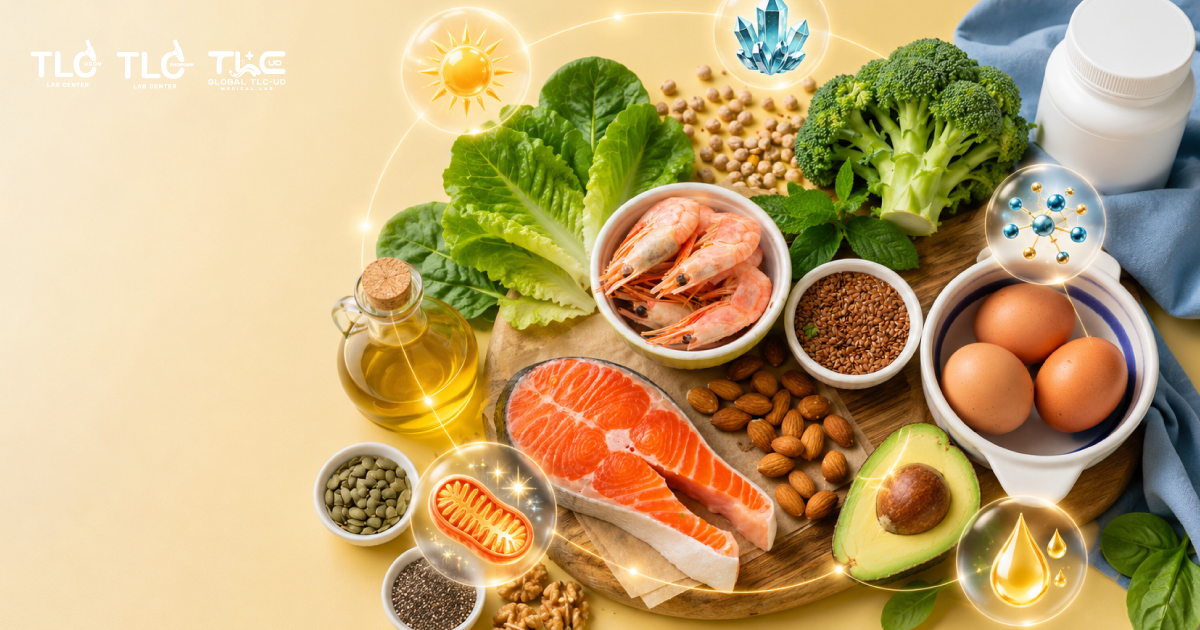
- These nutrients are generally absorbed more effectively when taken with a meal containing healthy fats, such as fish, eggs, nuts, avocado or olive oil.
- Vitamin D + Coenzyme Q10 + Omega-3
- Zinc
- Zinc is best taken with or after food to reduce the likelihood of nausea or stomach irritation.
After the Evening Meal or Before Bed
Magnesium Glycinate (Magnesium Bisglycinate)
Magnesium may be taken in the evening or before bedtime, as it contributes to normal muscle and nervous system function.
Some people report feeling more relaxed after taking magnesium, although individual responses may differ.
Precautions Before Taking These Supplements Together
In many cases, all five nutrients can be taken on the same day. However, it is important to check the nutrient content of all supplements to avoid excessive or duplicated intake.
Consult your doctor or pharmacist before taking these supplements if you:
- Have kidney or liver disease
- Have high blood calcium levels
- Take anticoagulants or blood-thinning medication
- Take medication for high blood pressure
- Take medication for diabetes
- Are taking antibiotics
- Are pregnant or breastfeeding
- Are due to undergo surgery
- Plan to take high-dose supplements
- Have multiple chronic medical conditions
Coenzyme Q10 may interact with certain medications, including warfarin and some diabetes medicines. High doses of Omega-3 may also increase the risk of bleeding in people taking anticoagulant or antiplatelet medication.
Summary
Vitamin D, Zinc, Magnesium Glycinate, Coenzyme Q10 and Omega-3 each have different functions, but they work together to support interconnected systems throughout the body.
When consumed in appropriate amounts, these nutrients may help support the immune system, bones, muscles, nervous system, cellular energy production, brain function, heart health and blood vessels.
The key is not to take every supplement available or to consume excessive amounts, but to choose supplements that are appropriate for your individual needs, monitor your total nutrient intake from all products, and be aware of potential interactions between supplements and medications.
References
- Alhabeeb, H., Kord-Varkaneh, H., Tan, S. C., Găman, M.-A., Otayf, B. Y., Qadri, M. A., Alomar, O., Al-Badawi, I. A., & Abu-Zaid, A. (2022). The influence of omega-3 supplementation on vitamin D levels in humans: A systematic review and dose-response meta-analysis of randomized controlled trials. Critical Reviews in Food Science and Nutrition, 62(11), 3116–3123.
- Dietary Reference Intakes for Calcium and Vitamin D. (2011). Dietary reference intakes for calcium and vitamin D. National Academies Press.
- National Institutes of Health Office of Dietary Supplements. (2025). Magnesium – Fact Sheet for Health Professionals.
- National Institutes of Health Office of Dietary Supplements. (2025). Zinc – Fact Sheet for Health Professionals.
- National Institutes of Health Office of Dietary Supplements. (2025). Omega-3 Fatty Acids – Fact Sheet for Health Professionals.
- Story, M. J. (2021). Essential sufficiency of zinc, ω-3 polyunsaturated fatty acids, vitamin D and magnesium for prevention and treatment of COVID-19, diabetes, cardiovascular diseases, lung diseases and cancer. Biochimie, 187, 94–109.