
What is Reverse T3 (rT3) and why is it important?
Reverse T3 (Reverse triiodothyronine: rT3) is an inactive form of the thyroid hormone T3. It is produced from T4 during periods when the body is under…..

Reverse T3 (Reverse triiodothyronine: rT3) is an inactive form of the thyroid hormone T3. It is produced from T4 during periods when the body is under…..

Both homocysteine and high-sensitivity C-reactive protein (hs-CRP) are biomarkers of systemic risk, particularly in relation to cardiovascular health…..

Vitamin B12 and folate (vitamin B9) are essential cofactors in DNA synthesis and play a crucial role in the production of red blood cells. They work…..

Iron deficiency is not merely a cause of “anaemia”; it is also an important biomarker that may reflect dysfunction across multiple body systems

Inflammation is not limited to acute infections alone. It also includes chronic low-grade inflammation, which gradually accumulates in the body without…..
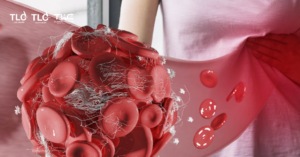
Inflammation control refers to the regulation and balancing of the body’s inflammatory processes so that inflammation does not become excessive
Cell regeneration and autophagy are essential biological processes involved in the repair, renewal, and cleansing of cells. Together, they play a key role…..
Mitochondria are important organelles within cells and are often referred to as the “powerhouse of the cell.” They play a crucial role in cellular health….

Vitamin D is not merely an ordinary vitamin; it also functions like a “hormone” in the body. When converted into its active form (calcitriol), vitamin D…

Cellular health refers to the condition and proper functioning of the body’s cells. It forms the foundation of overall health and longevity. When the cells….





You cannot copy content of this page